Pedestrians in San Francisco and the Risks of City Work Vehicles
Discover what to do after a San Francisco municipal vehicle accident. Protect your rights as a pedestrian or cyclist with trusted local legal guidance.
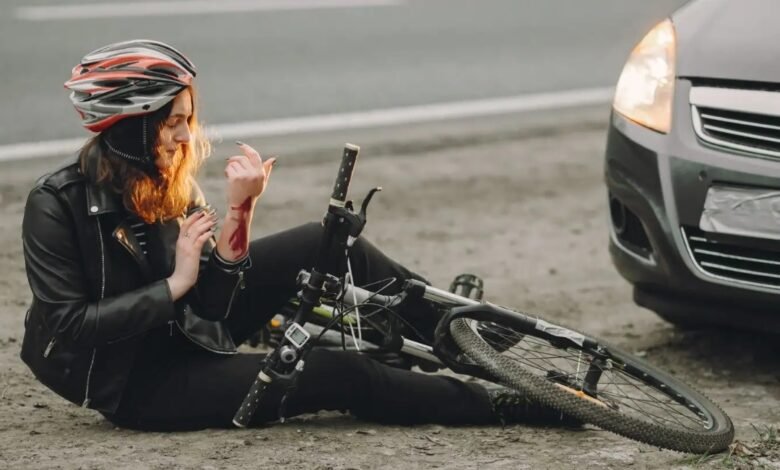
San Francisco’s streets are some of the busiest and most vibrant in the nation. Every day, thousands of people walk, bike, or take public transportation across the city. While city employees operating municipal vehicles are essential to keeping the city running, accidents do happen—and for pedestrians and cyclists, the consequences can be life-altering.
A Serious but Complex Problem
A December 2024 investigation by The Standard reported that from January 2019 through July 2024, 151 claims were filed alleging pedestrians or cyclists were struck by city vehicles. Nearly $40 million has been paid out in settlement costs. These incidents range from collisions involving parking control officers to city buses making wide turns in crowded intersections.
Although most city employees drive responsibly, these cases demonstrate how even a momentary lapse in judgment can have devastating outcomes for vulnerable road users. The city has adopted safety initiatives like Vision Zero, improved streetscapes, and specialized training, but the sheer scale of the municipal fleet and the many departments involved make oversight a complex challenge.
Why Vision Zero Matters
San Francisco’s Vision Zero initiative—aimed at eliminating traffic deaths and severe injuries—has led to real progress, such as expanded bike lanes and improved crosswalks. Still, some safety systems are not yet fully integrated. For example, certain departments have lagged in reporting collisions to central tracking systems, and vehicle monitoring tools (telematics) are not always consistently applied.
This does not mean officials are ignoring safety; rather, it highlights the need for stronger coordination across departments and better use of technology to protect pedestrians and cyclists.
Legal Hurdles for the Injured
When a pedestrian or bicyclist is injured by a city vehicle, the path to justice is not straightforward. Several unique legal barriers apply to cases against public entities:
- Notice of Claim Requirement: Injured parties typically must file a notice of claim within six months. Missing this deadline can prevent a lawsuit from moving forward.
- Proving Negligence: Evidence such as dashcam footage, eyewitness testimony, and maintenance logs may be needed to show fault.
- Government Defenses: The city may invoke legal immunities or argue that employees were acting within the scope of their duties, which complicates recovery efforts.
- Settlements: Many cases resolve through settlement, though this process can take time and may not always cover the full scope of losses.
Because of these hurdles, injured individuals benefit from working with experienced attorneys who understand how to navigate public-entity claims.

Widely recognized as one of San Francisco’s top personal injury attorneys, Mary Alexander established her stellar reputation in the legal community after obtaining some of the largest and highest profile verdicts and settlements in the state of California over the course of her career.
Balancing Safety, Budget, and Workforce
City leaders are working under difficult circumstances. San Francisco faces significant budget constraints, and departments often have to balance worker safety, public safety, and financial realities. At the same time, labor relations and workforce protections can affect how rules are enforced and how training is implemented. These competing priorities make it all the more important that safety remains a central focus.
Moving Forward
Reducing accidents involving municipal vehicles will require continued collaboration between the city, its workers, and the public. Some important steps include:
- Expanding use of telematics to monitor and improve driving behavior.
- Ensuring all departments consistently report collisions to a central system.
- Enhancing training with an emphasis on pedestrian and cyclist vulnerability.
- Building transparent processes so residents can trust that safety concerns are addressed.
Conclusion
San Francisco’s commitment to Vision Zero is both admirable and essential. Protecting pedestrians and cyclists requires not only improving infrastructure for private drivers but also addressing risks posed by city-operated vehicles. For those harmed, the legal process can be daunting, but with the right guidance, accountability and fair compensation are possible.
By working together—city leaders, workers, and the community—San Francisco can continue striving toward safer streets for everyone.