The Crucial Function of a Medical Expert Witness in Legal Proceedings
Law firms work with expert witnesses through structured agreements and precise availability. A physician expert witness provides credible medical insight for stronger case strategy.
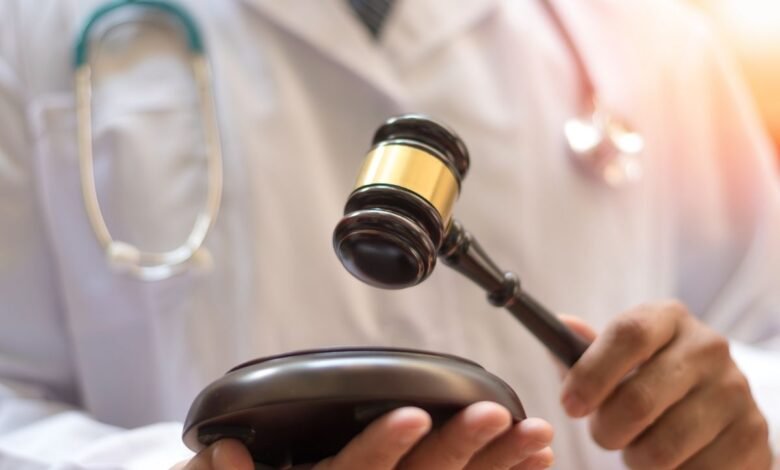
When Medical Evidence Meets the Verdict: The Role of Medical Expert Witnesses
In court, complex medical evidence is a double-edged sword. Detailed clinical records can be persuasive, but only if a jury truly understands them. That’s where a medical expert witness earns their significance. They translate arcane terminology and nuanced findings into plain, precise language that holds weight in a courtroom. A qualified expert knits together the loose threads between medicine and law, preventing misunderstandings that can sink a case. Their testimony can redirect the trajectory of a trial, sharpening juror comprehension and influencing verdicts. Without that interpretive bridge, medical facts risk becoming irrelevant noise in the legal arena.
Distinctions Among Clinical Expert Witnesses: Physician Vs. Specialist
Not all medical experts are cut from the same cloth. A general physician brings breadth, seeing patterns across disciplines. A surgeon injects procedural insight into questions of treatment feasibility. A pathologist dissects the microscopic truth underlying disease. A board-certified physician often carries greater judicial weight than a non-clinical reviewer, as credentials signal not just academic achievement but tested competence. Courts notice training pedigree, post-graduate degrees, and peer-reviewed publications when gauging authority. These factors add credibility without descending into self-advertisement. Selecting the right mix of knowledge and firsthand practice experience is a strategic move that can shift the balance of a case.
Legal Foundations for Expert Medical Testimony
Courts filter expert testimony through uncompromising criteria. Reliability and relevance are the bare minimum. Methodological soundness is scrutinized closely, especially when an opinion hinges on specialized testing or unorthodox analysis. Judges look for a clear chain between evidence and conclusion, free of speculative leaps. Failure to meet these standards isn’t just a weakness—it’s often fatal to admissibility. The court’s role is to ensure that scientific input is more than persuasive rhetoric. Without rigorous vetting, even the most eloquent expert can find their testimony sidelined before it reaches the jury.
Selecting the Ideal Medical Expert for Trial
Selecting a medical expert for trial is a calculated process. Credentials matter, but so does the ability to withstand scrutiny. Past testimony records reveal whether an expert folds under pressure or holds steady. Ethical standing must be beyond reproach. Red flags include overt partisanship or unexplained changes in professional opinion. Even a glittering CV can’t compensate for a fractured sense of impartiality. The most effective experts combine clinical credibility with clear communication. They don’t just know the science; they make it impossible for anyone in the courtroom to misinterpret it.
Case Highlights: Impactful Expert Medical Testimonies
In one malpractice suit, a radiology specialist dissected MRI results overlooked by the defense. By pinpointing timing inconsistencies in tissue damage, they established causation where doubt lingered, tipping the jury toward liability. In another, a forensic pathologist clarified ambiguous toxicology findings, dismantling the plaintiff’s theory of fatal overdose. These weren’t theatrical flourishes—they were targeted interpretations rooted in deep expertise. The shift in outcomes came from precision, not persuasion, proving that effective expert testimony is often a scalpel, not a megaphone.
Preparing Clinical Witness Experts for Court Appearances
Preparation is the quiet machinery behind strong testimony. Experts pore over case documents until every datum is second nature. Mock depositions aren’t theatre; they are stress tests that reveal weaknesses before opposing counsel does. Visual aids must be deliberate, simplifying without distorting the evidence. Language practice is critical. Jargon shatters comprehension, so experts learn to speak with ruthless clarity. Depositions serve as full rehearsals, ironing out rhythm and content, ensuring that when the courtroom lights hit, performance follows precision.
Mastering Cross-Examination of Medical Specialist Witnesses
Cross-examination is warfare in miniature. Attorneys probe for bias, pick at micro-level technicalities, and hunt contradictions with relentless focus. An unprepared expert loses footing fast. The defense against this is calm control—pivoting to core findings, owning the limitations of the data, and freezing out speculative traps. Precision in report drafting lays a fortified foundation long before testimony begins. When the written record is disciplined, it becomes far harder for opposing counsel to dismantle it under live questioning.


Navigating Ethical Responsibilities of Medical Experts
A medical expert’s first allegiance is to the truth. That means resisting the urge to magnify certainty and openly acknowledging when facts carry ambiguity. Full disclosure of potential conflicts of interest is more than formality; it’s the anchor of credibility. Confidentiality binds them to protect sensitive patient details, even in high-stakes litigation. Adhering to professional codes is not optional. Experts who compromise ethics often find their reputations eroded faster than any verdict can be reached.
Securing Top Medical Insights for Legal Cases
Law firms don’t just pick an expert; they court them. Initial outreach turns into formal agreements, with clear fee structures mapped out. Availability is crucial, as cases demand everything from written reports to depositions and trial days. For highly credible opinions, attorneys often rely on a physician expert witness to ensure medical accuracy and courtroom poise. The right consultant becomes a tactical asset whose insight integrates seamlessly with the broader case strategy.
From Clinic to Courtroom: Turning Medical Knowledge into Verdicts
The transformation from raw medical evidence to persuasive courtroom narrative is surgical. Expert witnesses give texture and shape to facts, enhancing juror comprehension and reinforcing attorneys’ strategic case builds. Their presence makes verdicts less about who told the most compelling story and more about the clearest, most authoritative explanation. With ongoing collaboration between legal teams and medical professionals, this bridge between fields can only grow stronger, ensuring that justice benefits from both procedural rigor and scientific precision.