Adoption Process in Brussels in 2026: What Families Should Expect
Adoption process in Brussels in 2026 explained: eligibility, steps, costs, timelines, and what families should expect before applying.
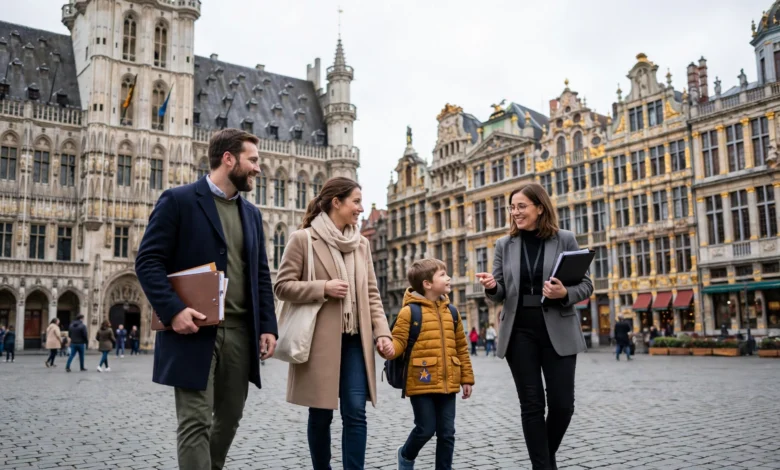
Starting the adoption process in Brussels can feel overwhelming at first. Between paperwork, home studies, court approvals, and long waiting periods, it’s easy to lose track of what actually comes next. If you’re a family in Brussels thinking about growing your household through adoption, you’re probably wondering how the system works in 2026, who’s involved, and how long the whole thing realistically takes.
The good news is that Belgium’s adoption system, while thorough, is well structured. Brussels sits at an interesting crossroads because both the French-speaking and Flemish-speaking communities run their own adoption services, and families need to know which one applies to them based on language and residence. Add in intercountry adoption rules shaped by international agreements, and you’ve got a process with several moving parts.
This guide walks through everything a prospective adoptive family in Brussels should know in 2026: who qualifies, the types of adoption available, the step-by-step process from information session to finalization, what it costs, how long it takes, and the common hurdles families run into along the way. Whether you’re just starting to research or you’re already deep into paperwork, this article should give you a clear, realistic picture of what lies ahead.
Understanding the Adoption Process in Brussels in 2026
Belgium doesn’t have one single national adoption authority. Instead, adoption is a community competence, meaning the process a family follows in Brussels depends largely on which linguistic community they register with. In practice, this means:
- French-speaking families in Brussels typically go through ONE (Office de la Naissance et de l’Enfance), the agency responsible for adoption services in the French Community.
- Flemish-speaking families go through Kind en Gezin, which oversees adoption matters for the Flemish Community, often coordinated through VCA (Vlaams Centrum voor Adoptie).
- Families adopting from abroad also interact with Belgium’s federal framework, since intercountry adoption is governed by the Hague Convention on Protection of Children and Co-operation in Respect of Intercountry Adoption, which Belgium has ratified.
Because Brussels is bilingual, families often have a choice of which community’s services to use, but once you commit to one system, you generally stay within it for the duration of the process. This is one of the first and most important decisions a family makes, and it’s worth getting right early since switching later can cause delays.
The adoption process in Brussels is designed to prioritize the best interests of the child above all else. That means every applicant, regardless of background, goes through preparation, assessment, and a legal suitability judgment before being matched with a child. It’s not a fast process, and it’s not meant to be. But it is a predictable one if you understand the stages ahead of time.
Who Can Adopt in Brussels? (Eligibility Requirements)
Before diving into the steps, it helps to know whether you even qualify to start. Belgian adoption law sets baseline eligibility criteria that apply across the country, including Brussels.


General requirements typically include:
- Age: Adoptive parents must generally be at least 25 years old, though some exceptions exist for step-parent adoptions or when adopting a relative’s child, where the minimum age can be lower.
- Age gap: There’s usually a required minimum age difference between the adoptive parent and the child (commonly around 15 years), though this can vary depending on the specific adoption type.
- Residency: Applicants must be habitually resident in Belgium, and for intercountry adoption, this residency requirement is closely tied to Hague Convention rules.
- Marital status: Single people, married couples, and unmarried cohabiting couples can all apply, though requirements differ slightly depending on relationship status and duration.
- Health and background checks: Applicants undergo medical evaluations and criminal background checks as part of the suitability assessment.
It’s worth noting that eligibility to apply is not the same as being approved. Meeting the baseline criteria only gets you in the door. The real evaluation happens during the psychosocial assessment and preparation training, which we’ll cover shortly.
Families considering intercountry adoption should also check the specific requirements of the country they hope to adopt from, since many countries impose their own additional criteria on top of Belgium’s rules (for example, minimum marriage duration, maximum parental age, or restrictions based on family composition).
Types of Adoption Available in Brussels
Not all adoptions follow the same path. In Brussels, families generally choose from three broad categories.
Domestic Adoption
Domestic adoption involves adopting a child who is a Belgian resident, often a child already in the youth protection or foster care system whose birth parents have consented to adoption or had parental rights terminated. Domestic adoptions in Brussels are relatively rare compared to intercountry adoption, partly because fewer children are available for adoption domestically and partly because many birth parents who place children choose foster care arrangements instead.
Intercountry Adoption
Intercountry adoption is the more common route for many Brussels families, particularly those without an existing family connection to a child. This process is governed by both Belgian law and the international Hague Convention framework, which exists to prevent child trafficking and ensure ethical, transparent adoption practices between countries. Families pursuing intercountry adoption typically work with an accredited adoption agency that has partnerships with specific countries of origin.
Step-Parent and Kinship Adoption
This category covers situations where someone wants to adopt their partner’s child, or a family member wants to adopt a relative’s child (such as a grandparent adopting a grandchild, or an aunt or uncle adopting a niece or nephew). These cases usually move faster than domestic or intercountry adoption because there’s already an established relationship, though they still require court approval and, in most cases, a suitability assessment.
Step-by-Step Adoption Process in Brussels
This is the heart of what most families want to know: what actually happens, in what order, from the moment you decide to adopt to the day it’s finalized.
Step 1: Attend Information Sessions
Every prospective adoptive parent in Brussels starts by attending a mandatory information session run by the relevant community agency (ONE or Kind en Gezin/VCA). These sessions explain the legal framework, the realistic timelines, the types of adoption available, and what to expect emotionally and practically. This step is non-negotiable and is designed to make sure families enter the process with accurate expectations rather than assumptions based on what they’ve seen elsewhere.
Step 2: Complete Preparation Training
After the information session, applicants move into a structured preparation course. This typically includes group sessions, individual meetings, and sometimes workshops covering topics like attachment, identity, trauma-informed parenting, and the realities of raising an adopted child (including one from a different cultural or ethnic background, in the case of intercountry adoption). This training can take several months and is a genuine evaluation period, not just a formality.
Step 3: Submit Your Application and Undergo Psychosocial Assessment
Once preparation is complete, families formally submit their application. This triggers a psychosocial assessment, which usually involves:
- Home visits from a social worker
- Interviews with both parents (if applicable)
- Psychological evaluation
- Review of financial stability, housing, and support networks
- Reference checks
This assessment results in a report that goes to the courts.
Step 4: Obtain the Judicial Suitability Judgment
Based on the assessment report, the family court (tribunal de la famille / familierechtbank) issues a suitability judgment (jugement d’aptitude / geschiktheidsvonnis), confirming that the applicant is legally fit to adopt. This judgment is a legal prerequisite in Belgium and is required before any matching can happen. It’s typically valid for a limited number of years, so if the process drags on too long, families may need to renew it.
Step 5: Matching Process
With a suitability judgment in hand, families enter the matching phase. For domestic adoption, this means being considered when a child in the system needs a family. For intercountry adoption, it means being matched through the accredited agency’s partner country, based on the child’s needs and the family’s approved profile. This stage is often the longest and most emotionally difficult part of the process, since waiting times vary enormously and families have little control over the timing.
Step 6: Placement and Adjustment Period
Once a match is proposed and accepted, the child is placed with the family. For intercountry adoptions, this often involves travel to the child’s country of origin and a period of bonding before the adoption can be legally completed there or in Belgium, depending on the country’s specific procedures. A post-placement supervision period follows, during which social workers check in on the family’s adjustment.
Step 7: Finalizing the Adoption
The final step is the legal finalization of the adoption, either through the Belgian courts (for domestic adoptions or the Belgian recognition of a foreign adoption) or through recognition procedures if the adoption was finalized abroad. Once finalized, the child gains full legal status as the adoptive parents’ child, including inheritance rights and, where applicable, Belgian nationality.
Key Organizations Involved in the Brussels Adoption Process
Understanding who does what makes the process much less confusing. Here are the main players families in Brussels will interact with:
- ONE (Office de la Naissance et de l’Enfance) – Handles adoption services for French-speaking families in Brussels and Wallonia.
- Kind en Gezin / VCA – Handles adoption services for Flemish-speaking families.
- Accredited adoption agencies – Private, government-accredited organizations that manage intercountry adoption placements with specific partner countries.
- Family courts (tribunal de la famille) – Issue the suitability judgment and finalize adoptions legally.
- Federal Public Service Justice – Oversees the legal and international framework for adoption in Belgium, including compliance with the Hague Convention. You can find official guidance on Belgium’s adoption framework through the Belgian Federal Public Service Justice.
- Hague Conference on Private International Law (HCCH) – The international body overseeing the Hague Adoption Convention, which shapes how intercountry adoptions are conducted ethically. More detail on the convention itself is available via the HCCH Intercountry Adoption Section.
Costs Involved in Adopting a Child in Brussels
Adoption isn’t free, and families should budget realistically. Costs vary significantly depending on the type of adoption.
Domestic adoption tends to be the least expensive, since it primarily involves administrative and legal fees rather than agency or travel costs.
Intercountry adoption, on the other hand, can be considerably more expensive due to:
- Agency fees for matching and coordination
- Translation and legalization of documents
- Travel and accommodation in the child’s country of origin
- Post-placement reporting requirements, which sometimes continue for years
- Legal fees for finalizing or recognizing the adoption in Belgium
Families should ask their agency for a full, itemized cost breakdown early on, since unexpected expenses (like extended stays abroad if paperwork is delayed) are common. Some financial support or partial reimbursement schemes may exist depending on the region and individual circumstances, so it’s worth asking ONE or Kind en Gezin directly about any subsidies available in 2026.
Timeline: How Long Does Adoption Process in Brussels Take?
This is usually the first question families ask, and unfortunately, there’s no single answer. That said, here’s a rough breakdown of what to expect:
- Information session to preparation training completion: 4–8 months
- Psychosocial assessment and court suitability judgment: 6–12 months
- Waiting for a match (domestic): Highly variable, often 1–3 years or more, since fewer children are available domestically
- Waiting for a match (intercountry): Typically 2–5 years, depending heavily on the partner country and the family’s flexibility regarding a child’s age, needs, or background
- Placement to finalization: Several months to over a year, depending on the country of origin’s own legal procedures
All told, most families should expect the full adoption process in Brussels to take somewhere between 3 and 6 years from the initial information session to legal finalization. This is longer than many people expect going in, which is exactly why the early information sessions place so much emphasis on managing expectations.
Common Challenges Families Face During the Adoption Process
Knowing what’s coming doesn’t make it easy, but it does make it manageable. Some of the most common challenges include:
- Emotional toll of waiting: The matching phase, in particular, can feel like an indefinite holding pattern, and it’s common for families to experience anxiety, grief, or frustration during this stretch.
- Paperwork fatigue: Between document legalization, translations, and repeated reference checks, the administrative burden is significant and easy to underestimate.
- Shifting international rules: Some countries pause or change their intercountry adoption programs with little notice, which can affect timelines for families already in process.
- Financial strain: Especially with intercountry adoption, unplanned costs (extended travel, legal delays) can add up quickly.
- Post-placement adjustment: Bonding and attachment don’t happen overnight, and families sometimes feel unprepared for the realities of helping a child adjust, particularly if the child has experienced trauma or a significant transition.
Tips for a Smoother Adoption Journey in Brussels
A few practical habits can make the process noticeably less stressful:
- Start with realistic expectations. Read up on actual timelines rather than best-case scenarios you might find online.
- Stay organized. Keep a dedicated folder (physical or digital) for every document, since you’ll be asked to produce the same paperwork multiple times.
- Build a support network. Connecting with other adoptive families in Brussels, whether through community groups or online forums, can help you feel less isolated during long waiting periods.
- Be flexible where you can. Families open to adopting older children, siblings, or children with specific medical needs often experience shorter waiting times.
- Keep your suitability judgment current. If your process runs long, track the expiration date of your court judgment and renew it well before it lapses.
- Ask questions early and often. Social workers and agency staff would rather clarify something upfront than have a family discover a misunderstanding halfway through.
What’s New in the Brussels Adoption Process in 2026
A few developments are shaping how the adoption process in Brussels looks in 2026 compared to previous years:
- Greater emphasis on post-adoption support, including extended access to counseling and support groups for adoptive families, particularly those who adopted internationally.
- Continued tightening of intercountry adoption partnerships, in line with global trends toward fewer but more tightly regulated country partnerships, reflecting stricter Hague Convention compliance standards.
- Digitalization of parts of the application process, with more document submissions and scheduling handled online, though home visits and court appearances remain in person.
- Increased focus on domestic and kinship adoption pathways, as authorities continue encouraging families to consider children already within Belgium’s child welfare system.
Families should check directly with ONE or Kind en Gezin for the most current procedural details, since adoption policy can shift based on both domestic priorities and the availability of international partner countries.
Conclusion
The adoption process in Brussels in 2026 is thorough, community-specific, and, for most families, a multi-year commitment rather than a quick administrative task. It starts with choosing between the French or Flemish community system, moves through information sessions, preparation training, psychosocial assessment, and a judicial suitability judgment, and eventually leads to matching, placement, and legal finalization. Costs and timelines vary widely depending on whether a family pursues domestic, intercountry, or kinship adoption, but every path shares the same goal: making sure a child is placed with a family that’s genuinely ready and well prepared. Families who go in with realistic expectations, organized paperwork, and a willingness to stay flexible tend to navigate the process with far less stress, even when the waiting stretches longer than they’d hoped.