Domestic Violence Protective Orders in Louisiana: 7 Essential Steps to File Safely and Fast
Domestic violence protective orders in Louisiana explained step by step: eligibility, forms, filing, court hearings, and how to stay protected.
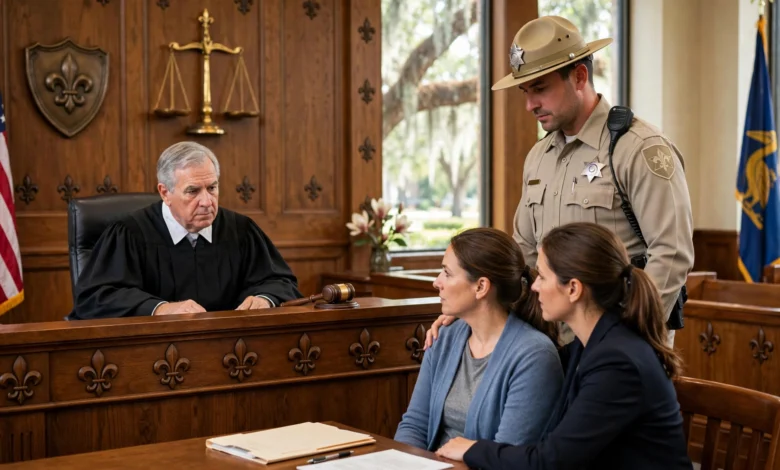
Domestic violence protective orders in Louisiana exist for one reason: to give victims a fast, enforceable way to put legal distance between themselves and someone who is hurting them. If you’re reading this, you or someone you care about is probably living with fear you shouldn’t have to carry, and you need clear answers, not legal jargon. This guide walks through exactly how the process works in Louisiana, from the moment you decide to file to the day a judge signs a final order.
Louisiana calls these court orders “protective orders” rather than restraining orders, but they do the same job. They can order an abuser to stop all contact, move out of a shared home, stay away from your workplace or your kids’ school, and hand over any firearms. Filing doesn’t require a lawyer, and it doesn’t cost anything in most parishes. What it does require is understanding the paperwork, the timeline, and what a judge needs to see to grant you protection.
Below, you’ll find a plain-language breakdown of who qualifies, which forms to use, what happens at each court date, and what to do if the order gets violated. Whether you’re filing today or just trying to understand your options, this article covers what you actually need to know.
What Counts as Domestic Abuse Under Louisiana Law
Before filing, it helps to know whether your situation legally qualifies. Louisiana’s Domestic Abuse Assistance Act (La. R.S. 46:2131–2143) defines domestic abuse broadly. It includes physical or sexual abuse, and any offense against a person, such as battery, assault, stalking, or kidnapping, committed by someone in a qualifying relationship with the victim.
Importantly, the abuse doesn’t have to have already happened for a court to act. Louisiana courts can issue an order to prevent the “threat, danger, or possibility of abuse,” meaning credible threats and escalating patterns of control can be enough.
Who Qualifies as a “Family or Household Member”
A domestic violence protective order in Louisiana is only available when the petitioner and the person they’re filing against have a specific type of relationship. Under the law, this includes:
- Current or former spouses
- People who live together or have lived together
- People who have a child together
- Parents and children, or other ascendants and descendants
- Family members related by blood or marriage
- Dating or intimate partners (covered under the related Dating Violence Act)
If the person harming you is a stranger or a casual acquaintance with none of these connections, you may still be protected, but under a different statute (the Stalking Protective Order, discussed below) rather than the domestic abuse framework.


Types of Protective Orders Available in Louisiana
Louisiana actually offers several tracks for protection, and picking the right one matters because it determines which form you file and which court reviews your case.
1. Domestic Abuse Protective Order
This is the primary order used between family members, household members, or people who share a child. It’s governed by R.S. 46:2131 through 46:2143 and is the focus of this article.
2. Dating Violence Protective Order
If you’re being abused by someone you’re dating or have dated, but you don’t share a household or child, this order under the Protection from Dating Violence Act applies. The process mirrors the domestic abuse track closely.
3. Stalking Protective Order
Available to anyone being stalked, regardless of their relationship to the stalker. This matters if the person harassing you is an ex-coworker, a neighbor, or someone with no family or dating connection to you.
4. Protective Orders in Criminal Cases
If the abuser has been arrested and criminal charges are pending, a criminal court can also issue a protective order as a condition of bail or probation. This runs on a separate track from the civil order but can exist alongside it.
Most people filing after abuse from a partner, spouse, or family member will use the Petition for Protection from Abuse, which is the standard form for the domestic abuse track.
Who Can File for a Protective Order
You can petition for a domestic violence protective order in Louisiana if:
- You are the victim of abuse by a qualifying family or household member or dating partner
- You are a parent filing on behalf of a minor child who has been abused
- You are filing on behalf of an adult who cannot file for themselves due to age, disability, or incapacity
There’s no requirement that you’ve called the police first, though a police report can strengthen your case. You also don’t need to have already left the shared home or ended the relationship to file.
Step-by-Step: How to File a Domestic Violence Protective Order in Louisiana
Here’s the process from start to finish. Every parish court handles logistics a little differently, so treat this as the general roadmap and confirm specific procedures with your local clerk of court.
Step 1: Get Safe First
If you’re in immediate danger, call 911 before doing anything else. A protective order is a legal document; it can’t physically stop someone in the moment the way law enforcement can. Once you’re safe, you can start the paperwork.
If you’re not in crisis but planning ahead, it still helps to think through a basic safety plan: where you’ll go if things escalate, what documents and essentials to keep ready, and who you trust to call.
Step 2: Gather Your Evidence
Before you go to the courthouse, collect anything that documents the abuse or threats. Judges rely heavily on specifics, so vague statements carry less weight than dated, detailed evidence. Useful documentation includes:
- Text messages, emails, or voicemails showing threats or harassment
- Photos of injuries, with timestamps if possible
- Medical records from any treatment related to the abuse
- Police reports or incident numbers
- Names and contact information for witnesses
- A written timeline of incidents, including dates and specific actions (“grabbed my arm,” “threatened me with a weapon,” “showed up uninvited at my workplace”)
You don’t need all of these to file, but the more specific and documented your account, the stronger your case will be at the hearing.
Step 3: Complete the Petition for Protection From Abuse
Louisiana uses standardized statewide forms, known as LPOR forms, to keep the process consistent across parishes. The specific form depends on your situation:
- Form LPOR-B — for domestic abuse or dating violence
- Form LPOR-C — for a minor child, filed under the Louisiana Children’s Code
- Form LPOR-D — for stalking or sexual assault by a stranger or acquaintance
The petition asks you to describe the relationship between you and the abuser, detail recent incidents of abuse, and state what protections you’re requesting (no contact, stay-away distance, temporary custody arrangements, and so on). This document is signed under oath, so everything in it needs to be accurate. Court staff and local domestic violence advocacy organizations can help you fill it out if you’re unsure how to phrase something.
Step 4: File the Petition at Your Parish Courthouse
You can file in the parish where you live, where the abuser lives, or where the abuse occurred. Filing a Petition for Protection from Abuse for domestic violence cases is free in Louisiana; the law requires that these petitions be accepted without a filing fee.
Bring a valid photo ID and as much of your supporting evidence as you can organize. Court clerks can walk you through the physical filing steps, though they generally can’t give legal advice about your specific case.
Step 5: The Judge Reviews Your Petition for a Temporary Restraining Order
Once filed, your petition goes straight to a judge, often the same day. If the judge finds “immediate and present danger of abuse,” they can issue a Temporary Restraining Order (TRO) immediately and without notifying the abuser first. This is called an “ex parte” order, meaning only one side (you) is heard before it’s issued.
A few things to know about the TRO stage:
- The judge can grant emergency provisions like exclusive use of a shared home, temporary custody of children, and a no-contact requirement
- If the judge doesn’t find enough evidence of immediate danger, they may decline the TRO but still schedule a hearing
- A TRO is valid for up to 21 days, or until the full court hearing takes place
Step 6: The Abuser Is Served
A protective order isn’t enforceable until the other person has been formally notified. The parish sheriff’s office is responsible for serving the TRO and the notice of hearing on the abuser, typically within 24 hours of the order being issued. Until service happens, keep a certified copy of your order with you at all times, since law enforcement will need to see it to enforce it.
If the sheriff has trouble locating the abuser, follow up with the court or the sheriff’s office directly. Service delays are one of the most common reasons hearings get pushed back.
Step 7: Attend the Show-Cause Hearing
Louisiana law requires a full court hearing, sometimes called a “rule to show cause” hearing, within 21 days of the TRO being granted (or within 10 days of service if no TRO was issued). At this hearing:
- Both you and the abuser have the right to appear, testify, and present evidence
- You need to prove abuse by a preponderance of the evidence, meaning it’s more likely than not that abuse occurred. This is a lower bar than the standard used in criminal court
- Witnesses can testify, and documents like texts, photos, and medical records can be submitted
- If the abuser doesn’t show up after being properly served, the judge can still grant the order based on your testimony and evidence
If you don’t attend the hearing, your TRO typically expires and you’ll need to start the filing process over, so this date matters as much as the initial filing.
What Happens After the Hearing
If the judge is convinced that abuse occurred or that there’s an ongoing risk, they’ll issue a final Domestic Abuse Protective Order. Here’s what that means in practice.
How Long a Final Protective Order Lasts
A final protective order generally lasts up to 18 months. However, Louisiana law allows the no-abuse, no-harassment, and no-contact portions of the order to be made permanent or indefinite at the judge’s discretion, particularly in cases involving serious violence or an ongoing credible threat.
Extending or Renewing the Order
If the 18-month period is about to expire and you still feel unsafe, you can file a motion to extend the order before it lapses. This involves another hearing, so it’s worth starting that process at least a few weeks before your current order expires rather than waiting until the last minute.
What a Protective Order Can Require
A final order can include a wide range of provisions tailored to your situation, such as:
- No contact by phone, text, email, social media, or through third parties
- A minimum distance the abuser must keep from your home, workplace, or children’s school
- Temporary custody and visitation arrangements for shared children
- Surrender of firearms, when the order includes a finding of credible threat to physical safety
- Payment of court costs, attorney’s fees, and medical or counseling costs related to the abuse
On that last point, Louisiana law is unusually direct: the abuser can be required to cover your legal costs and any medical or psychological treatment you need as a result of the abuse.
What Happens If the Protective Order Is Violated
Once an order is in place and the abuser has been served, violating it is a criminal matter, not just a civil one. Louisiana law directs officers to make an immediate arrest when there’s probable cause that an order has been violated. If you believe the order has been broken, don’t confront the person yourself; call law enforcement and let them handle enforcement.
Violations can lead to misdemeanor or felony charges depending on the circumstances, and repeated or firearm-related violations carry significantly harsher penalties.
The Louisiana Protective Order Registry
Once a judge signs an order, whether it’s a TRO or a final order, the clerk of court is required to enter it into the Louisiana Protective Order Registry by the end of the next business day. This statewide database means your order is visible and enforceable by law enforcement anywhere in the state, not just in the parish where you filed. It’s also why protective orders issued in Louisiana carry weight nationwide, since federal law under the Violence Against Women Act requires other states to give full faith and credit to valid protective orders.
Do You Need a Lawyer to File?
You can file for a domestic violence protective order on your own, and the standardized LPOR forms are designed to make that possible without an attorney. That said, having legal representation, even briefly, can help if:
- Custody or visitation of children is contested
- The abuser has legal representation and is likely to fight the order
- There’s a history of prior court involvement, restraining orders, or custody disputes
- You’re unsure how to present evidence effectively at the hearing
Many parishes have domestic violence advocacy organizations that offer free help completing petitions and preparing for hearings, even if you don’t hire a private attorney.
Where to Get Help
If you’re in immediate danger, call 911. For confidential support any time, day or night, the National Domestic Violence Hotline is available at 1-800-799-7233, or you can text START to 88788.
For details on Louisiana’s specific statutes governing domestic abuse protective orders, the Louisiana State Legislature’s official statutes provide the full text of R.S. 46:2131 through 46:2143. For a plain-language breakdown of your rights and what to expect at each stage, WomensLaw.org’s guide to Louisiana restraining orders is a solid, victim-focused resource that’s kept current.
Conclusion
Filing for a domestic violence protective order in Louisiana doesn’t have to feel overwhelming once you understand the sequence: confirm you qualify under the Domestic Abuse Assistance Act, gather your evidence, complete the correct LPOR petition form, file it for free at your parish courthouse, and follow through from the emergency TRO all the way to the show-cause hearing where a judge can grant you a final order lasting up to 18 months or longer. The system is built to move quickly when danger is real, with same-day emergency review, mandatory service by the sheriff, and immediate arrest for violations once an order is in place. If you’re currently in this situation, know that you don’t have to navigate it alone. Court clerks, local domestic violence advocates, and the National Domestic Violence Hotline can walk beside you through every step, and taking that first step to file is often the turning point toward getting your safety back.