Navigating the Immigration Process with an Immigration Lawyer in Austin Texas
Navigate U.S. immigration with confidence. An experienced Austin, Texas immigration lawyer helps with visas, green cards, citizenship, and legal matters.
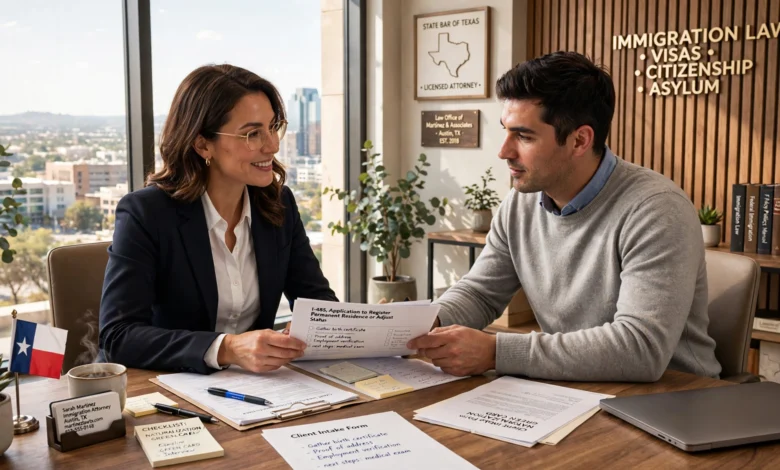
Navigating the U.S. immigration system can feel overwhelming, especially for individuals and families facing unfamiliar legal processes. Whether someone is applying for a family-based visa, seeking lawful permanent residence, pursuing U.S. citizenship, or addressing other immigration concerns, understanding the basics can help reduce uncertainty. Working with an Immigration Lawyer Austin Texas can provide valuable guidance through the many forms, deadlines, and legal requirements involved in immigration cases.
Immigration law covers a wide range of situations, and every person’s circumstances are unique. While general information is helpful, many cases require careful attention to specific facts, eligibility requirements, and supporting documentation. Those seeking reliable legal guidance may learn more from a trusted immigration lawyer in Austin Texas at Michael G. Murray, P.A.. The firm is located at The Wells Fargo Building, 2028 E Ben White Blvd Ste 502, Austin, Texas, and can be reached at +1 512-215-4407.
Understanding Immigration Law
Immigration law governs how foreign nationals may enter, live, work, and eventually become permanent residents or citizens of the United States. Federal agencies oversee immigration matters, and applicants are often required to submit detailed forms, supporting evidence, and attend interviews.
Although immigration laws apply nationwide, individuals often choose to work with an immigration lawyer familiar with local procedures and federal requirements. An Immigration Lawyer Austin Texas can assist clients in understanding the legal process while ensuring applications are prepared accurately.
Common Immigration Services
Many immigration cases fall into several broad categories, each with its own eligibility rules and documentation requirements.
Family-Based Immigration
One of the most common immigration pathways allows U.S. citizens and lawful permanent residents to sponsor certain qualifying family members. Depending on the relationship and immigration category, applicants may pursue:
- Marriage or spouse visas
- Family petitions
- Adjustment of status
- Consular processing
- Removal of conditions for permanent residents
Each process requires careful preparation, and missing documents or inaccurate information can lead to delays.


Citizenship and Naturalization
Naturalization is the process through which eligible permanent residents become U.S. citizens. Applicants generally must meet residency requirements, demonstrate good moral character, and pass English and civics examinations unless exemptions apply.
Becoming a citizen offers benefits such as voting rights, eligibility for certain government positions, and the ability to petition additional qualifying family members.
Employment and Business Immigration
Employers may sponsor foreign workers under certain visa categories, while investors and entrepreneurs may qualify for specific immigration programs designed to encourage economic development.
Business immigration often involves additional documentation demonstrating qualifications, investment requirements, or employer sponsorship obligations.
Why Accuracy Matters in Immigration Applications
Immigration applications involve extensive paperwork. Small mistakes, incomplete forms, or inconsistent information may result in requests for additional evidence or longer processing times.
An immigration attorney can help applicants:
- Determine the appropriate immigration pathway.
- Gather supporting documentation.
- Complete government forms accurately.
- Prepare for interviews.
- Respond to requests from immigration authorities.
While legal representation does not guarantee approval, careful preparation often helps avoid preventable errors.
Understanding Adjustment of Status
Adjustment of status allows eligible individuals already present in the United States to apply for lawful permanent residence without leaving the country.
Eligibility depends on several factors, including:
- Current immigration status
- Family or employment sponsorship
- Admissibility under immigration law
- Availability of an immigrant visa
Since eligibility rules can vary significantly, applicants should understand the specific requirements before beginning the process.
Marriage-Based Immigration
Marriage to a U.S. citizen or lawful permanent resident may provide a path toward permanent residency, provided the marriage is genuine and meets legal requirements.
Applicants typically submit evidence demonstrating the legitimacy of their relationship, which may include:
- Joint financial records
- Shared residence documentation
- Photographs
- Correspondence
- Other supporting evidence
Government agencies carefully review marriage-based applications to verify that the relationship was entered into in good faith.
Consular Processing Explained
Not everyone seeking permanent residency is already living in the United States. Many applicants complete their immigrant visa applications through a U.S. embassy or consulate abroad in a process known as consular processing.
Although the overall goal is similar to adjustment of status, the procedures, required interviews, and timelines differ depending on the applicant’s location and circumstances.
Preparing for Immigration Interviews
Some immigration cases require applicants to attend interviews with immigration officers or consular officials.
Preparation often includes:
- Reviewing submitted information
- Bringing original supporting documents
- Answering questions honestly
- Demonstrating eligibility under the applicable immigration category
The purpose of these interviews is typically to verify information contained in the application and confirm that legal requirements have been met.
Common Challenges During the Immigration Process
Immigration cases may encounter delays for various reasons, including:
Missing Documentation
Applicants sometimes overlook required records, causing agencies to request additional evidence before continuing the review.
Processing Delays
Government processing times vary depending on application type, workload, and policy changes. Waiting periods may differ substantially between immigration categories.
Changes in Personal Circumstances
Marriage, divorce, relocation, employment changes, or other life events may affect an immigration case. Applicants should understand when such changes must be reported to immigration authorities.
Choosing an Immigration Lawyer
When selecting legal representation, individuals often consider several factors beyond location.
Important considerations include:
- Experience handling immigration matters
- Familiarity with the specific immigration category involved
- Clear communication throughout the process
- Thorough document preparation
- Knowledge of current immigration procedures
An experienced immigration lawyer can explain legal options in understandable language while helping clients stay informed about each stage of their case.
Frequently Used Immigration Terms
Understanding a few common terms can make immigration information easier to follow.
Adjustment of Status
The process of applying for lawful permanent residence from within the United States.
Consular Processing
Obtaining an immigrant visa through a U.S. embassy or consulate outside the United States.
Lawful Permanent Resident
A person authorized to live and work permanently in the United States, commonly known as a green card holder.
Naturalization
The legal process through which eligible permanent residents become U.S. citizens.
Conclusion
Immigration law includes many different legal pathways, each with distinct eligibility requirements, documentation standards, and procedural steps. Whether pursuing family-based immigration, adjustment of status, naturalization, business immigration, or consular processing, understanding the process can help individuals make informed decisions and better prepare for each stage of their case.