Property Easements in Ohio: 7 Critical Things to Know Before You Buy or Sell
Property easements in Ohio can affect access, value, and closing. Learn the 7 critical types buyers and sellers must check before signing.
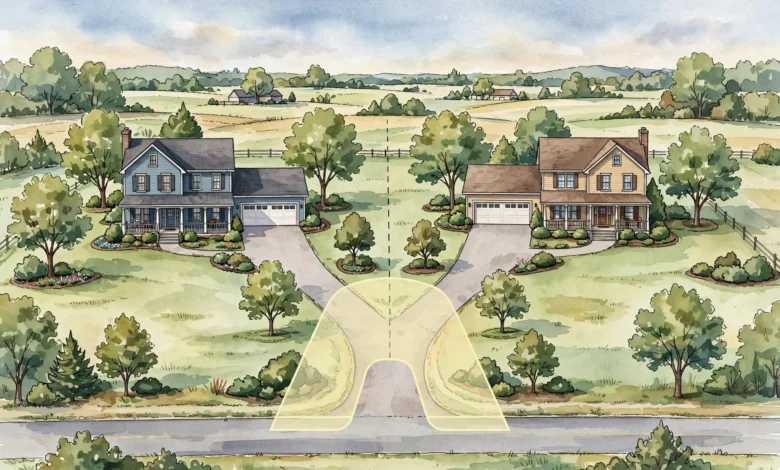
Property easements in Ohio show up in almost every real estate transaction, whether the parties realize it or not. A shared driveway, a utility line running under the backyard, a neighbor’s gravel path cutting across the corner of a lot — these are all easements, and they can quietly shape what you can and can’t do with a piece of land long after the sale closes.
If you’re buying or selling a home or a parcel of land in Ohio, understanding easements isn’t optional homework. An easement can limit where you build a fence, restrict an addition, give a utility company legal access to dig up your yard, or even let a neighbor drive across your property every single day. Some easements are recorded clearly in the deed. Others were never written down at all and only surface after decades of use.
This guide walks through what an easement actually is under Ohio law, the different types you’re likely to run into, how they get created (sometimes without anyone signing anything), and what buyers and sellers should each be doing before they get to the closing table. Whether you’re a first-time buyer trying to make sense of a title report or a seller wondering if that old handshake agreement with your neighbor counts as a legal easement, this article covers the ground you need to know.
What Is an Easement in Ohio Real Estate?
An easement is a legal right that allows someone to use a portion of another person’s property for a specific purpose, without actually owning that land. The property being used is called the servient estate, and the property that benefits from the easement is the dominant estate.
Think of it this way: if your neighbor’s only way to reach the road is by driving across the back corner of your lot, your land is the servient estate and theirs is the dominant estate. You still own that strip of land. You pay taxes on it. But you can’t legally block your neighbor from using it for that purpose.
A few basic facts about how easements work in Ohio:
- They can be permanent or temporary, depending on how they were created.
- They usually “run with the land,” meaning they stay attached to the property even when it’s sold to a new owner.
- They don’t transfer ownership. The person holding the easement gets a right of use, not a deed.
- They can apply to just about anything: driveways, footpaths, drainage, power lines, pipelines, or fences.
Because an easement can restrict how you use your own land, it’s treated as an encumbrance on the title. That’s why title companies flag them and why any competent real estate attorney will want to review them line by line before a closing.


Common Types of Property Easements in Ohio
Not all easements are created the same way. Ohio recognizes several distinct categories, and each one comes with its own rules for how it’s established and how (or if) it can be terminated.
1. Express Easements
An express easement is the simplest and cleanest type. It’s created intentionally, usually in writing, through a deed, a separate easement agreement, or a contract between two property owners. Once signed, it’s typically recorded with the county recorder’s office, which puts future buyers on notice.
Because express easements are documented, they tend to cause the fewest disputes. The terms (who can use the easement, for what purpose, and any maintenance obligations) are usually spelled out clearly.
2. Easements Implied by Prior Use
Sometimes an easement isn’t written down anywhere but is still legally recognized because of how the land was historically used. An easement implied by prior use can arise when a single piece of property is split into two parcels, and one part had been relying on a path, driveway, or utility line across the other part before the split happened.
Ohio courts generally look for a few elements before recognizing this kind of easement, including a shared original owner, a use that was ongoing and obvious before the split, and a continuing necessity for that use afterward.
3. Easements by Necessity
An easement by necessity is created when a landlocked parcel has no other reasonable way to access a public road except across a neighboring property. Courts step in here to prevent land from becoming legally useless. Unlike a prescriptive easement, there’s no waiting period required. If the necessity exists and can be proven, the easement can be recognized even without long-term use.
4. Prescriptive Easements
This is where things get more contentious. A prescriptive easement is similar to adverse possession, except instead of gaining ownership of land, the person gains the right to use it. Under Ohio law, someone claiming a prescriptive easement has to prove, by clear and convincing evidence, that their use of the property was:
- Open — easily noticed, not hidden or sneaky
- Notorious — obvious enough that the landowner reasonably should have known
- Adverse — without the landowner’s permission
- Continuous — ongoing, without significant interruption
- For at least 21 years
That last point trips a lot of people up. If a neighbor gave permission for the use at any point, even informally, it usually defeats the “adverse” element and the prescriptive easement claim fails. This is one reason property owners are sometimes advised to grant written, revocable permission for a neighbor’s use rather than staying silent about it for years.
5. Utility Easements
Utility easements are probably the most common type most homeowners will ever encounter. Power companies, water districts, gas providers, and cable or internet providers often hold easements that let them install, access, and maintain equipment on private property, such as power lines, buried cables, water mains, or gas pipelines.
These are typically granted when a subdivision is first platted, so they show up in the original plat maps and title records rather than being negotiated homeowner by homeowner. A utility easement doesn’t usually interfere much with day-to-day life, but it can limit where you’re allowed to build a shed, plant trees, or install a pool.
6. Right-of-Way Easements
A right-of-way easement allows someone to travel across another person’s land to reach their own property or a public road. This is extremely common in rural parts of Ohio, where lots don’t all have direct road frontage. Shared driveways and access lanes are a frequent source of right-of-way easements, and disputes over maintenance responsibility (who plows the shared driveway in the winter, for example) are common enough that it’s worth getting these details in writing.
7. Conservation Easements
A conservation easement limits how land can be developed or used, usually to protect farmland, wetlands, or wildlife habitat. These are often negotiated with a land trust or government agency and can significantly reduce what a future owner is allowed to build, which matters a great deal if you’re buying rural or agricultural property with development in mind.
Why Easements Matter When You’re Buying a Property
If you’re purchasing property in Ohio, an easement you don’t know about can turn into an expensive and frustrating surprise. Here’s what buyers should be paying close attention to:
- Access and usability. Does a utility easement run through the exact spot where you planned to put a garage or pool? Does a right-of-way easement mean a neighbor’s truck will be driving past your kitchen window every morning?
- Resale value. Some buyers are hesitant to purchase property burdened by an unclear or contentious easement, which can affect your ability to sell later.
- Maintenance obligations. If you’re buying a property with a shared driveway or access road, find out in writing who’s responsible for snow removal, repairs, and repaving.
- Unrecorded, informal use. A title search won’t catch a prescriptive easement that hasn’t been legally established yet, but a walk-through of the property (and a conversation with the seller and neighbors) might reveal a path or use pattern that could eventually ripen into one.
The most reliable way to catch these issues is a proper title examination. A title agent or real estate attorney can search the county recorder’s records and flag any recorded easements tied to the property, along with anything unusual in the plat map or prior deeds.
For general guidance on how title matters like easements are handled in Ohio real estate closings, the Ohio State Bar Association publishes consumer-facing resources on the closing process worth reviewing before you sign anything.
Why Easements Matter When You’re Selling a Property
Sellers have their own set of responsibilities, and getting caught off guard by an easement issue mid-transaction can delay or derail a closing.
- Disclosure obligations. Ohio’s residential property disclosure form requires sellers to disclose known material defects, and an easement that significantly affects use of the property is the kind of thing buyers (and their attorneys) will expect to see addressed honestly.
- Clean up loose ends early. If there’s an informal agreement with a neighbor (say, they’ve been using part of your driveway for years without anything in writing), it’s worth formalizing it or resolving it before listing. Buyers and their lenders don’t like ambiguity.
- Get your survey and title work in order. Pulling your existing survey and having a title company run a preliminary check before listing can catch problems while there’s still time to fix them, rather than during a 30-day closing window.
- Understand what you can and can’t remove. A seller generally cannot unilaterally terminate an existing recorded easement just because they’d prefer the buyer not deal with it. Termination usually requires an agreement between both parties, abandonment, or a court order.
How Are Easements Created and Terminated in Ohio?
Easements aren’t permanent by default just because they exist. Ohio law recognizes several ways an easement can end, including:
- Mutual agreement — both the dominant and servient estate owners agree in writing to terminate it.
- Merger — the dominant and servient estates come under the same ownership, since you can’t hold an easement over your own land.
- Abandonment — the holder of the easement clearly and permanently stops using it with intent to give it up, though simply not using it for a while usually isn’t enough on its own.
- Expiration — if the easement was created for a limited term or purpose that no longer applies.
- Court order — a judge can terminate an easement in certain disputes, particularly when the original purpose no longer exists.
If you’re dealing with a dispute over whether an easement still applies, or whether one exists at all, this is a fact-specific legal question. Ohio court decisions on prescriptive and implied easements often turn on small details in county records and long-standing usage patterns, which is why property disputes involving easements are best handled with the help of a real estate attorney familiar with local case law. The Ohio Legislative Service Commission maintains the Ohio Revised Code online if you want to review the underlying statutory framework yourself.
Practical Steps Before Closing
Whether you’re on the buying or selling side, a little diligence up front avoids a lot of headaches later:
- Order a full title search and read the exceptions section closely, not just the summary page.
- Get a current survey of the property, not an old one from a prior sale, especially if boundary lines or driveways have changed.
- Ask directly whether any informal arrangements exist with neighbors regarding shared access, fences, or driveways.
- Have a real estate attorney review any recorded easement documents so you understand exactly what rights and restrictions apply, not just that an easement exists.
- If a right-of-way or shared driveway is involved, get maintenance responsibilities in writing rather than relying on a verbal understanding.
Conclusion
Property easements in Ohio are one of those details that seem minor until they aren’t, quietly determining who can use a strip of land, where you can build, and what obligations come attached to a property long after the sale is final. Whether it’s a recorded utility easement from decades ago, a shared driveway with an unwritten understanding, or a prescriptive easement built up through 21 years of continuous use, these rights don’t disappear just because a new name goes on the deed. Buyers should dig into the title search, survey, and disclosure paperwork before closing, and sellers should get ahead of any unresolved arrangements before listing. A little diligence on easements now saves a lot of conflict later, and when the details get complicated, a conversation with a real estate attorney familiar with Ohio property law is worth far more than guessing.