What You Need to Know About DUI and Reckless Driving in Virginia
This article provides an overview of DUI and reckless driving in Virginia, offering clear insights into what each offense entails and the potential penalties involved.
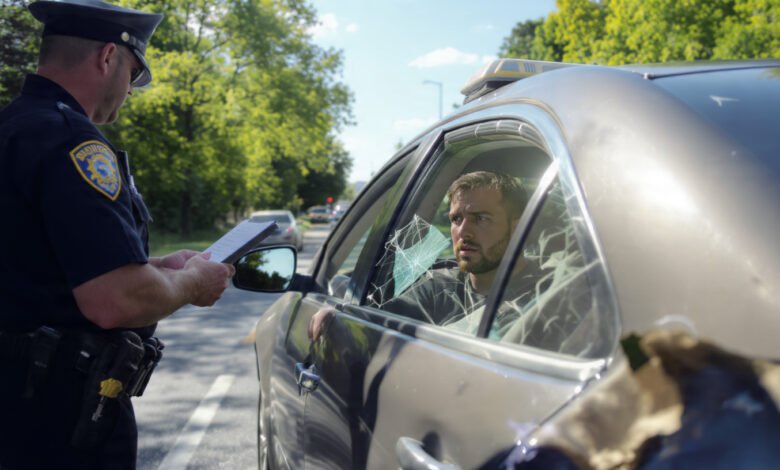
When driving in Virginia, it’s crucial to understand the state’s laws surrounding DUI (driving under the influence) and reckless driving. These offenses carry significant consequences, and for individuals with limited legal knowledge, navigating these charges can be overwhelming. This article provides an overview of DUI and reckless driving in Virginia, offering clear insights into what each offense entails and the potential penalties involved.
What is DUI in Virginia?
In Virginia, DUI refers to driving while under the influence of alcohol or drugs. According to the law, a driver is considered intoxicated if their blood alcohol concentration (BAC) is 0.08% or higher. For commercial drivers, the limit is lower, set at 0.04%. In addition to alcohol, DUI charges can also stem from drug use, including prescription medications, illegal drugs, or even over-the-counter drugs that impair driving abilities.
The Legal Implications of DUI in Virginia
Being charged with DUI in Virginia can lead to severe penalties, especially for repeat offenders. The legal consequences vary based on several factors, including BAC levels, prior convictions, and whether the driver caused an accident or injury. Below is a breakdown of potential penalties for DUI in Virginia:
- First Offense: A first-time DUI offense in Virginia typically results in fines, mandatory alcohol education classes, and a suspension of the driver’s license for up to one year. In some cases, an ignition interlock device may be required.
- Second Offense: A second DUI offense within five years can lead to harsher penalties, such as longer license suspension periods, higher fines, and a mandatory jail sentence.
- Third and Subsequent Offenses: A third DUI offense in Virginia, or subsequent offenses within 10 years, can result in more severe penalties, including longer jail sentences, permanent license revocation, and significant fines.
DUI and Reckless Driving in Virginia: What’s the Difference?
While DUI and reckless driving are both serious charges in Virginia, they are distinct offenses with different legal definitions. DUI specifically involves impairment due to alcohol or drugs, while reckless driving covers a broader range of dangerous driving behaviors. These offenses can sometimes overlap, but they are not the same.
What is Reckless Driving in Virginia?
Reckless driving in Virginia is a criminal offense that refers to operating a vehicle in a manner that shows disregard for the safety of others or the property of others. This can include excessive speeding, tailgating, aggressive driving, or even ignoring traffic signs. Reckless driving does not require that the driver be impaired or under the influence, unlike DUI.
Types of Reckless Driving Offenses
Virginia law outlines several scenarios where reckless driving can occur, including but not limited to:
- Speeding (Exceeding 20 MPH over the limit or driving at 85 MPH or more): This is one of the most common forms of reckless driving.
- Racing: Participating in or promoting an illegal street race.
- Driving Too Fast for Conditions: Even if you’re not exceeding the speed limit, driving too fast for weather, road conditions, or traffic can lead to reckless driving charges.
- Failing to Yield: Not yielding to pedestrians, emergency vehicles, or other drivers as required by law can result in reckless driving.
The Consequences of Reckless Driving in Virginia
Reckless driving in Virginia is considered a criminal offense, not just a traffic violation. As such, the penalties are severe. A conviction can result in:


- Fines: Up to $2,500, depending on the severity of the offense.
- Jail Time: Up to 12 months in jail, especially for more serious reckless driving offenses.
- License Suspension: A driver’s license may be suspended for up to six months for a reckless driving conviction.
- Points on Driving Record: Reckless driving can add six demerit points to your driving record, which can impact your insurance premiums and may lead to a license suspension if enough points accumulate.
The Intersection of DUI and Reckless Driving in Virginia
In some situations, drivers may face both DUI and reckless driving charges if their actions on the road are deemed dangerous and they are under the influence of alcohol or drugs. For example, a driver who is arrested for DUI and is speeding excessively or weaving through traffic could also be charged with reckless driving.
Defending Against DUI and Reckless Driving Charges
If you are facing DUI or reckless driving charges in Virginia, it is essential to understand the available defenses. Common defenses against DUI charges include challenging the accuracy of the breathalyzer test, questioning the legality of the traffic stop, or proving that the driver was not impaired. For reckless driving, defenses may involve showing that the driver’s actions were not as reckless as they appeared or that there were extenuating circumstances, such as a medical emergency.
Legal Help and Representation
Given the serious consequences of DUI and reckless driving charges in Virginia, seeking legal representation is highly recommended. A qualified attorney can evaluate the specific details of your case, help navigate the legal process, and work toward minimizing the penalties associated with these charges.
Key Takeaways
In Virginia, DUI and reckless driving are both severe offenses with distinct legal definitions and penalties. DUI involves driving under the influence of alcohol or drugs, while reckless driving refers to dangerous driving behaviors, including excessive speeding and ignoring traffic laws. Both offenses can result in hefty fines, license suspension, and jail time, particularly for repeat offenders.
Understanding the differences between DUI and reckless driving in Virginia is crucial for drivers to avoid serious legal repercussions. If you are charged with either offense, it is essential to seek professional legal counsel to ensure a fair process and protect your rights. By being aware of the law and taking steps to avoid impaired or reckless driving, you can reduce the likelihood of facing serious charges and penalties.


