Buying a Franchise in Amsterdam: 9 Critical Legal Red Flags to Check First
Buying a franchise in Amsterdam? Spot these 9 critical legal red flags before you sign, so a promising deal doesn't turn into a costly mistake
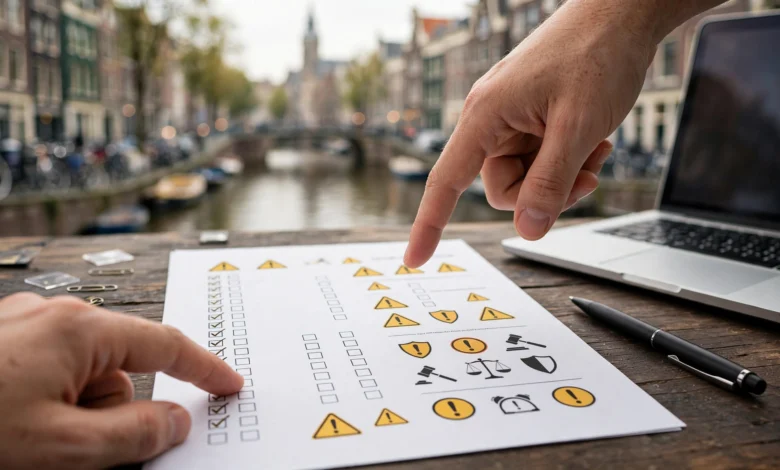
Buying a franchise in Amsterdam can look like a shortcut to owning a business without starting from zero. You get a recognized brand, a tested model, and often a built-in customer base the moment you open your doors. But franchising in the Netherlands comes with its own legal rules, and Amsterdam’s competitive, high-rent market means the details matter even more than they might elsewhere.
Since 2021, the Netherlands has had a dedicated Franchise Act (Wet franchise) that changed how franchise agreements are written, disclosed, and enforced. Franchisors are now legally required to hand over detailed financial and operational information before you sign anything, and franchisees have new protections around standstill periods, goodwill compensation, and changes to the franchise formula. A lot of prospective buyers don’t know these protections exist, which means they don’t know when a franchisor is skipping them.
This article walks through the legal red flags worth checking before you commit to a franchise in Amsterdam: the disclosure obligations franchisors must meet, the contract terms that deserve extra scrutiny, and the financial and operational warning signs that separate a solid opportunity from an expensive mistake. Whether you’re looking at a hospitality concept on a canal-side street or a retail franchise in a shopping district, the legal groundwork you do now will matter far more than the excitement of opening day.
Why Legal Due Diligence Matters More in Amsterdam
Amsterdam is one of the most expensive and competitive commercial rental markets in Europe, and franchise agreements here often involve long lease commitments, high upfront investment, and strict brand standards. A legal problem that might be a minor annoyance elsewhere can become a serious financial burden in a city where a bad location decision or an unfair contract term is much harder to walk away from.
Buying a franchise in Amsterdam also means operating under Dutch civil law and the Franchise Act, which differs meaningfully from franchise regulations in other countries. If you’re coming from the UK, the US, or elsewhere in the EU, don’t assume the rules you’re familiar with apply here. They don’t.
Red Flag #1: No Proper Pre-Contractual Disclosure
Under the Dutch Franchise Act, franchisors are legally required to provide prospective franchisees with a detailed information package at least four weeks before the agreement is signed. This is known as the standstill period, and it exists specifically to stop franchisors from pressuring people into fast decisions.
What the Disclosure Should Include
- The full draft franchise agreement
- Financial information, including estimated investment costs and expected turnover
- Details of the franchise formula, including any fees, royalties, and marketing contributions
- Information about the franchisor’s financial position
- Any restrictions on where you can buy stock, supplies, or services
Red flag to watch for: If a franchisor pushes you to sign quickly, provides incomplete financial data, or tries to shorten the four-week standstill period, treat this as a serious warning sign. A franchisor unwilling to follow a legal disclosure requirement is unlikely to be more transparent once you’re locked into the contract.


Red Flag #2: Vague or Missing Financial Projections
Every franchise agreement should come with a reasonably clear picture of expected costs and revenue, based on data the franchisor actually has from existing locations, not generic industry averages pulled from a slide deck.
Questions to Ask Before Signing
- Are the financial projections based on real, comparable Amsterdam locations, or generic estimates?
- Does the franchisor disclose the failure rate or closure rate of previous franchisees?
- Are all fees clearly itemized, including royalties, marketing contributions, and any hidden charges?
- Is there a clear breakdown of the total initial investment required, including build-out and inventory costs?
If a franchisor is reluctant to share this information, or the numbers seem unrealistically optimistic for the Amsterdam market specifically, that’s a red flag worth taking seriously before you commit capital.
Red Flag #3: Overly Restrictive Non-Compete Clauses
Franchise agreements typically include non-compete clauses to protect the franchisor’s business model and trade secrets. In the Netherlands, these clauses are enforceable, but they must be reasonable in scope, duration, and geographic reach.
What a Reasonable Non-Compete Looks Like
- Limited to a specific, defined geographic area
- Time-limited, typically capped at one year after the agreement ends
- Focused specifically on directly competing businesses, not the broader industry
Red flag to watch for: A non-compete clause that bars you from working in the entire hospitality or retail sector across the Netherlands for several years is almost certainly overreaching and may not hold up if challenged. Have a lawyer review this clause specifically, since post-termination restrictions are one of the most common sources of franchise disputes.
Red Flag #4: No Clear Goodwill or Termination Compensation Terms
One of the more significant protections introduced by the Dutch Franchise Act relates to goodwill, the value a franchisee builds up in a location through their own effort, reputation, and customer relationships over time.
What to Check in the Agreement
- Does the contract address what happens to goodwill if the franchise relationship ends?
- Is there a clear method for calculating compensation if the franchisor terminates the agreement or refuses to renew it?
- Are the conditions under which the franchisor can end the agreement clearly defined, rather than left open to broad discretion?
If the agreement is silent on goodwill compensation, or gives the franchisor unilateral power to terminate without meaningful cause, this is a legal red flag that can cost you significantly if the relationship doesn’t work out down the line.
Red Flag #5: Unclear Rules Around Changes to the Franchise Formula
Franchisors sometimes want the flexibility to update pricing, branding, product lines, or operational standards across their network. Under the Franchise Act, franchisors must consult with franchisees, often through a franchisee council, before making changes that could significantly affect a franchisee’s investment or profitability.
Warning Signs to Look For
- No mention of a franchisee council or consultation process in the agreement
- Broad language giving the franchisor unrestricted rights to change the formula at any time
- No advance notice period required before operational changes take effect
If the contract gives the franchisor total control over changes that directly affect your revenue, without any obligation to consult or provide notice, you’re taking on more risk than the relationship should require.
Red Flag #6: Lease and Location Terms That Don’t Match the Franchise Agreement
In Amsterdam specifically, commercial lease terms and franchise agreement terms don’t always line up cleanly, and this mismatch causes real problems.
What to Verify
- Does the lease term match the length of the franchise agreement?
- Who is responsible for the lease if the franchise agreement ends early, you or the franchisor?
- Are there restrictions in the lease (from the landlord) that conflict with requirements in the franchise agreement?
- Is the location zoned appropriately for the intended use under Amsterdam’s municipal regulations?
A franchise agreement that runs for ten years attached to a lease that can be terminated by the landlord after five is a structural problem, not a minor detail. This kind of mismatch needs to be resolved before signing, not after.
Red Flag #7: No Independent Legal Review Encouraged
A legitimate franchisor generally expects and even encourages prospective franchisees to have the agreement reviewed by an independent lawyer. If a franchisor discourages this, rushes you past it, or suggests you use “their” recommended lawyer without disclosing potential conflicts of interest, that’s worth questioning.
Steps to Take
- Hire an independent franchise lawyer based in the Netherlands, ideally one with specific experience in Amsterdam commercial leases and Dutch franchise law
- Ask for the full standstill period, don’t accept pressure to shorten it
- Get any verbal promises from the franchisor put in writing before signing
- Request references from current and former franchisees, and actually contact them
The Netherlands Franchise Association (Nederlandse Franchise Vereniging) publishes guidance for prospective franchisees and maintains standards for member franchisors, which is a useful starting point when evaluating whether a franchisor operates transparently. You can find more through the Nederlandse Franchise Vereniging.
Red Flag #8: High Franchisee Turnover or Unresolved Disputes
A franchise system with a history of unhappy or departed franchisees is telling you something important, even if the current sales pitch sounds great.
How to Investigate This
- Ask directly how many franchisees have left the system in the past three years, and why
- Search for any public disputes, court cases, or regulatory actions involving the franchisor
- Talk to multiple current franchisees, not just the ones the franchisor introduces you to
- Check whether the franchisor is a member of a recognized franchise association, which typically requires adherence to a code of conduct
A franchisor who can’t or won’t provide honest answers to these questions is giving you information too, just not the kind they intend to.
Red Flag #9: Ambiguous or Missing Dispute Resolution Terms
Finally, check how the franchise agreement handles disputes if something goes wrong later. This section often gets skipped over during the excitement of signing, but it matters enormously if a serious disagreement develops.
What a Solid Dispute Resolution Clause Includes
- Clear identification of which court or arbitration body has jurisdiction
- Whether Dutch law governs the agreement (it generally should, for a business operating in Amsterdam)
- A defined process for mediation or arbitration before litigation becomes necessary
- Reasonable timelines for resolving disputes
If this section is vague, missing, or points to a foreign jurisdiction that would make enforcement difficult and expensive from the Netherlands, raise it with your lawyer before signing.
Practical Checklist Before You Sign
Before finalizing any franchise purchase in Amsterdam, run through this checklist:
- [ ] Received full pre-contractual disclosure at least four weeks before signing
- [ ] Financial projections are specific to Amsterdam, not generic averages
- [ ] Non-compete clause is limited in time, geography, and scope
- [ ] Goodwill and termination compensation terms are clearly defined
- [ ] Franchisee consultation process exists for formula changes
- [ ] Lease terms align with the franchise agreement duration
- [ ] Independent Dutch franchise lawyer has reviewed the full agreement
- [ ] Franchisor turnover and dispute history has been investigated
- [ ] Dispute resolution clause specifies Dutch jurisdiction and a clear process
Working through this list methodically, rather than relying on the franchisor’s sales presentation, is the single most effective way to avoid the legal problems that catch new franchisees off guard.
Frequently Asked Questions
Is franchising regulated by law in the Netherlands?
Yes. The Dutch Franchise Act, in force since January 2021, sets out specific legal obligations for franchisors, including pre-contractual disclosure requirements, a mandatory standstill period, and consultation rights for franchisees regarding significant changes to the franchise formula.
How long is the standstill period before signing a franchise agreement in Amsterdam?
The standstill period is a minimum of four weeks from the moment the franchisor provides the full disclosure package. During this period, the franchisor cannot pressure you into signing or make changes to the terms already disclosed.
Do I need a Dutch lawyer to buy a franchise in Amsterdam?
While it’s not a strict legal requirement, it’s strongly recommended. Dutch franchise law includes specific protections and obligations that differ from other countries, and a local lawyer familiar with Amsterdam’s commercial property market can catch issues a general business advisor might miss.
What happens if a franchisor doesn’t follow the disclosure requirements?
If a franchisor fails to meet its disclosure obligations under the Franchise Act, a franchisee may have grounds to challenge the agreement, potentially including the right to dissolve the contract or seek compensation, depending on the specifics of the breach. This is a legal question that should be assessed by a qualified franchise lawyer.
For general guidance on doing business and contract law in the Netherlands, the Dutch government’s official business portal offers useful background information through the Netherlands Enterprise Agency (RVO).
Conclusion
Buying a franchise in Amsterdam can be a genuinely smart way into business ownership, but only if you go in with your eyes open to the legal details that separate a fair deal from a risky one. Pay close attention to whether the franchisor follows the disclosure and standstill requirements under the Dutch Franchise Act, scrutinize non-compete and termination clauses closely, make sure your lease and franchise terms actually align, and never skip an independent legal review just to move faster. The excitement of a promising brand and a ready-made business model is real, but so is the cost of signing an agreement that wasn’t built to protect you. Take the time to work through the red flags in this guide, get proper legal advice from someone who knows Dutch franchise law, and you’ll be in a far stronger position to make the opportunity actually work in your favor.