Understanding Bankruptcy Options for Cleveland Residents
Cleveland bankruptcy attorneys explain available options for managing debt, filing bankruptcy, and addressing financial hardship under Ohio bankruptcy laws.

Financial hardship can happen for many reasons, including job loss, unexpected medical expenses, rising household costs, or significant debt. When bills become difficult to manage, bankruptcy may provide a legal way to address certain debts and create a more manageable financial situation. Understanding how bankruptcy works can help Cleveland residents make informed decisions about their circumstances. For those considering their options, an experienced bankruptcy attorney in Cleveland at Upward Law, LLC can help explain the legal process and available forms of bankruptcy. Upward Law, LLC is located at 3659 S Green Rd #100, Beachwood, Ohio. The firm’s contact number is +1 216-547-5900.
What Is Bankruptcy?
Bankruptcy is a legal process governed by federal law that can help individuals or businesses address debts they cannot reasonably repay. Depending on the type of bankruptcy filed, a person may have some debts discharged, meaning they are legally eliminated, or may enter a repayment plan.
Bankruptcy does not automatically eliminate every type of debt. Certain obligations, such as some child support payments, certain tax debts, and some student loans, may receive different treatment under federal law. The specific circumstances of a case determine which debts may be affected.
For someone searching for a Bankruptcy Attorney in Cleveland, understanding these distinctions is an important first step.
Common Types of Personal Bankruptcy
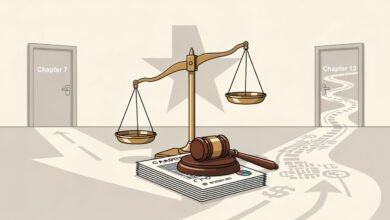
Chapter 7 Bankruptcy
Chapter 7 bankruptcy is sometimes called liquidation bankruptcy. It generally involves reviewing a person’s assets, debts, income, and expenses. Certain property may be protected through exemptions established under applicable law, while non-exempt assets can potentially be used to pay creditors.
One important feature of Chapter 7 is the possibility of receiving a discharge of qualifying unsecured debts. Unsecured debts are obligations that are not backed by specific property, such as certain credit card balances or medical bills.
Not everyone qualifies for Chapter 7. Eligibility can depend on factors such as income and household circumstances. The means test is one of the tools used to determine whether an individual may qualify.


Chapter 13 Bankruptcy
Chapter 13 bankruptcy works differently. Instead of liquidating assets, eligible individuals generally propose a repayment plan lasting between three and five years.
The plan allows a person with regular income to make payments according to rules established by the Bankruptcy Code. After successfully completing the required plan, qualifying remaining debts may be discharged.
Chapter 13 can be relevant for people who have a steady income but need additional time to address overdue obligations. It may also provide protections that are not available through other debt-relief options.
What Happens During the Bankruptcy Process?
Bankruptcy involves several formal steps. A person generally begins by gathering detailed financial information, including income, expenses, assets, debts, and other obligations.
After a bankruptcy petition is filed, an automatic stay generally takes effect. The automatic stay can temporarily stop many collection activities, including certain lawsuits, wage garnishments, and collection calls. However, there are exceptions, and the stay does not necessarily prevent every type of legal or financial action.
A bankruptcy case may also involve a meeting of creditors, commonly called a 341 meeting. During this meeting, the bankruptcy trustee may ask questions about the information included in the bankruptcy paperwork.
Because bankruptcy requires extensive financial disclosures, accuracy is important. Missing information or providing incorrect details can create complications during the case.
How Bankruptcy Can Affect Credit
Bankruptcy can affect a person’s credit history and ability to obtain credit in the future. The impact can depend on the individual’s previous credit history, the type of bankruptcy filed, and what happens after the case is completed.
However, bankruptcy is only one part of a person’s overall financial record. After bankruptcy, responsible financial practices such as making payments on time, maintaining manageable debt levels, and monitoring credit reports can help establish healthier financial habits.
It is also important to understand that bankruptcy does not necessarily mean a person will be unable to obtain credit indefinitely. Credit opportunities may remain available, although terms and interest rates can vary.
Considering Alternatives to Bankruptcy
Bankruptcy is not the only potential approach to financial hardship. Depending on the circumstances, alternatives may include negotiating directly with creditors, debt management programs, debt consolidation, or other forms of financial restructuring.
Each option has different legal and financial consequences. Comparing these alternatives can help an individual understand whether bankruptcy is appropriate or whether another approach may better address the underlying financial problems.
Understanding the Role of Legal Guidance
Bankruptcy law contains detailed federal requirements, deadlines, exemptions, and eligibility rules. Professional legal guidance can help individuals understand what information must be disclosed and how different forms of bankruptcy may affect their property and debts.
Key Insights About Bankruptcy
Bankruptcy can provide a legal framework for addressing overwhelming debt, but the process involves important requirements and consequences. Chapter 7 and Chapter 13 serve different purposes, and eligibility depends on individual financial circumstances.