Business Licensing in Western Australia
Business licensing in Western Australia explained simply: the licences, permits, and registrations you need before you open your doors.
Business licensing in Western Australia is one of those things almost every new business owner underestimates. You’ve got the idea, the premises, maybe even the staff lined up, and then someone mentions you might need a permit you’ve never heard of. That moment of “wait, do I need a licence for that?” trips up more WA businesses than it should, and it’s almost always avoidable.
The truth is, business licensing in Western Australia isn’t one single form or one single agency. It’s a mix of federal registrations, state licences, and local council approvals that depend entirely on what you’re doing, where you’re doing it, and how you’re structured. A café in Fremantle has different obligations than a mobile dog groomer in Mandurah or a building contractor in the Pilbara. There’s no universal checklist that fits everyone, which is exactly why so many people get caught out.
This guide walks through the WA business licence requirements in the order most people actually need to deal with them, from registering your business structure through to industry-specific licences, local government approvals, and the workplace obligations that come once you’re trading. It’s not a substitute for legal advice, but it should give you a realistic, practical map of what to sort out before opening day, so you’re not scrambling to fix a compliance gap three weeks into trading.
Why Business Licensing in Western Australia Matters More Than People Think
It’s tempting to treat licensing as paperwork you’ll “get to eventually.” That’s a risky approach. Licences and permits exist to protect you, your customers, and your employees, and operating without the right ones can mean fines, forced closure, or insurance claims that get denied because you weren’t technically allowed to trade in the first place.
WA’s official guidance is blunt about this: the licences you need depend on your business type, your activities, and your location, and they cover things people don’t always think of, like running a business from home, playing music in your shop, or handling specific health and safety obligations. Business licences and permits provide protection to you, your business, and any employees, ensure your business activities are allowed under Australian law, and let you trade without risk of fines or penalties.
That’s the core reason business licensing in Western Australia deserves attention before you sign a lease or take your first booking, not after.
Step 1: Register Your Business Structure Before Anything Else
Before you can apply for most licences, you need a registered business presence. This is the foundation everything else sits on.


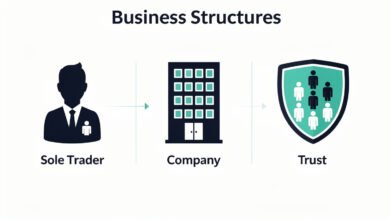
Choose Sole Trader, Partnership, or Company
Your structure affects your tax obligations, your personal liability, and in some cases which licences you’re even eligible to hold. Most small operators start as sole traders because it’s simple and cheap, but if you’re taking on partners, raising investment, or want to separate personal and business liability, a company structure through ASIC might make more sense. This decision is worth a conversation with an accountant rather than guessing, since unwinding it later costs time and money.
Get Your ABN and Register a Business Name
An Australian Business Number (ABN) is the starting point for almost every other registration. It’s free to register your ABN, and a national business name is held with the Australian Securities and Investment Commission. If you’re trading under your own legal name, you may not need a separate business name at all, but most people operating under a brand name will need one.
The good news is you don’t have to juggle multiple websites for this. The federal Business Registration Service lets you apply for your ABN, business name, company registration, and tax registrations like GST and PAYG withholding in a single application. It typically takes around 10 to 15 minutes once you have your details ready, and confirmation usually follows once payment and information are submitted correctly.
Step 2: Work Out Which Licences and Permits Actually Apply to You
This is where most of the confusion lives, because business licensing in Western Australia isn’t centralised under one regulator. Different licences sit with different state departments, different local councils, and occasionally the federal government, depending on what your business does.
Rather than guessing or relying on a generic checklist from another state, use the WA Government’s purpose-built tool. The Business Licence Finder identifies which licences, permits, and registrations you need for your business, plus any codes you may be required to comply with. You answer questions about your business activities and location, and it generates a personalised report.
That report is genuinely useful because it doesn’t just list licences, it also gives you information about licence fees, how to apply, application forms, and renewals. As a baseline, though, it’s worth knowing that most businesses will need an Australian Business Number, a registered business name, or a permit to play music in their business, and there may be additional licences tied to specific activities like trade waste disposal, food handling, or running a business from home.
You can access the tool directly through the Western Australian Government’s licensing portal, which is the most reliable starting point for anyone unsure what applies to them.
Step 3: Sort Out Local Government Approvals
This is the layer people forget most often, because it’s easy to assume that if the state government hasn’t flagged something, you’re clear. Local councils run their own approval processes on top of state requirements, and they can make or break your opening date.
Planning and Building Approvals
If you’re fitting out a new space, changing the use of a property (say, turning a retail shop into a café), or making structural changes, your local council will likely require planning approval, building approval, or both before you can legally open. This is especially important if you’re leasing a space that wasn’t previously used for your type of business.
Health and Food Business Registration
Any business preparing, handling, or selling food needs to register with the local council under food safety legislation, regardless of whether you’re running a restaurant, a market stall, or a home-based catering operation. Councils also handle other health-related approvals, including things like outdoor dining permits and certain waste disposal arrangements.
Signage and Trading Permits
Even something as simple as a shopfront sign can require council sign-off, particularly if it’s illuminated, projects over a footpath, or sits in a heritage-listed area. Outdoor seating, market stalls, and street trading typically need separate permits too.
A quick call to your local council’s planning or environmental health department, before you commit to a lease, can save you weeks of delay later.
Step 4: Check Industry-Specific Licensing Requirements
Beyond the general registrations, a long list of industries in WA require specific licences tied to the activity itself rather than the business structure. This is where business licensing in Western Australia gets genuinely industry-dependent.
The Department of Local Government, Industry Regulation and Safety (DLGIRS) is the main regulator for many of these. It handles applications for builders, building engineers and surveyors, electrical workers, gasfitters, owner-builders, painters, and plumbers, as well as debt collectors, employment agents, land valuers, motor vehicle dealers and repairers, real estate agents, and settlement agents. It also covers high-risk work, asbestos removal, demolition, plant and design registration, and dangerous goods licensing.
Some of the most common industry licences include:
- Trade licences – builders, electricians, plumbers, and gasfitters all require licensing through DLGIRS before they can legally carry out regulated work.
- Real estate and settlement agents – anyone buying, selling, or managing property on behalf of others needs to be licensed.
- Motor vehicle dealers and repairers – selling or repairing vehicles commercially requires registration, partly to protect consumers.
- Liquor licensing – pubs, bars, restaurants serving alcohol, and bottle shops all need a liquor licence, with the application and renewal process managed through WA’s liquor licensing authority. This process can take longer than people expect, so it’s worth starting early if alcohol service is part of your business plan.
- Charitable collections – if you’re raising funds publicly in WA, organisations that raise funds as defined under the Charitable Collections Act 1946 are required to be licensed.
- Security, debt collection, and employment agency work – these all sit under separate licensing categories with their own eligibility checks, often including police clearances.
If your industry isn’t on this list, that doesn’t necessarily mean you’re in the clear. The Business Licence Finder mentioned earlier is the fastest way to confirm whether your specific activity triggers an industry licence.
Step 5: Sort Workplace Safety and Insurance Before You Hire Anyone
Once you’re planning to bring on staff, even casually, a separate set of obligations kicks in that’s easy to overlook in the rush of opening a business.
WorkSafe and Workplace Health and Safety
Western Australia has its own workplace health and safety regulator, and certain activities, particularly higher-risk work like construction, demolition, or handling dangerous goods, require specific registrations on top of your general trade licence. This sits alongside your general duty to provide a safe workplace, which applies regardless of industry.
Workers’ Compensation Insurance
If you employ staff in WA, workers’ compensation insurance isn’t optional, it’s a legal requirement, and it needs to be in place before your first employee starts, not after. Getting this wrong is one of the more expensive mistakes a new employer can make, since gaps in cover can leave you personally exposed if someone is injured on the job.
Step 6: Don’t Skip the Tax Registrations
Licensing conversations tend to focus on permits and approvals, but the tax side matters just as much for staying compliant.
- GST registration – required once your turnover crosses the relevant threshold, but many businesses register voluntarily earlier so they can claim GST credits on expenses.
- PAYG withholding – needed as soon as you start paying employees, so tax is withheld correctly from wages.
- Other registrations – depending on your business, you may also need Fringe Benefits Tax registration or Wine Equalisation Tax registration, both of which can be set up through the same federal Business Registration Service used for your ABN.
These aren’t technically “licences” in the traditional sense, but skipping them creates exactly the same kind of compliance headache, just from the Australian Taxation Office instead of a state regulator.
How Long Does Business Licensing in Western Australia Actually Take?
There’s no single timeline because it depends entirely on which licences apply to you. As a rough guide:
- ABN and business name – often same-day or within a few business days.
- Local council approvals (planning, building, food registration) – anywhere from a couple of weeks to several months, depending on the complexity of the fit-out and how busy the council is.
- Industry licences through DLGIRS – timeframes vary widely; trade licences for individuals with existing qualifications tend to move faster than new liquor licence applications, which can involve public notice periods and objections.
- Liquor licensing – this is consistently one of the slower processes, so it deserves the earliest start if it applies to you.
The practical takeaway: start your licensing research the moment you’re seriously considering a location and business model, not after you’ve signed a lease with an opening date already attached to it.
Common Mistakes Businesses Make With WA Licensing
When it comes to business licensing in Western Australia, a few patterns show up again and again with new business owners:
- Assuming one registration covers everything. An ABN doesn’t mean you’re licensed to operate; it just means you exist as a recognised business entity.
- Signing a lease before checking zoning. Not every commercial property is approved for every type of business activity, and changing the approved use can take longer than the lease negotiation itself.
- Underestimating liquor licensing timelines. Businesses planning an opening date around alcohol service often find the licence isn’t ready in time.
- Forgetting renewal dates. Many licences aren’t one-and-done; they require periodic renewal, and lapsed licences can mean trading illegally without realising it.
- Skipping workers’ compensation until “things settle down.” This one carries real financial and legal risk and shouldn’t be delayed past your first hire.
Quick Checklist Before You Open
Use this as a starting point, not a complete list, since your specific obligations depend on your business:
- [ ] ABN registered
- [ ] Business name registered with ASIC (if trading under a brand name)
- [ ] Business structure confirmed (sole trader, partnership, or company)
- [ ] Business Licence Finder report completed for your specific activity and location
- [ ] Local council planning and building approvals confirmed
- [ ] Food business registration completed (if applicable)
- [ ] Signage and outdoor trading permits sorted (if applicable)
- [ ] Industry-specific licence applied for (trade, liquor, real estate, etc.)
- [ ] Workers’ compensation insurance arranged (if hiring staff)
- [ ] GST and PAYG withholding registered (if applicable)