Dispute a Credit Report Error in Arizona: 7 Proven Steps to Fix Mistakes Fast
Learn how to dispute a credit report error in Arizona with these 7 proven steps, plus who to call when the bureaus won't fix it.
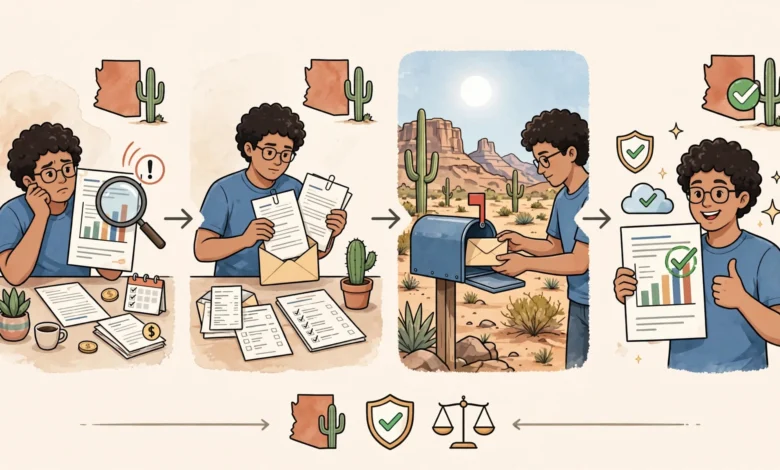
How to Dispute a Credit Report Error in Arizona
If you’ve ever pulled your credit report and found a debt you never owed, a late payment that was actually on time, or worse, an account that isn’t even yours, you know the sinking feeling that comes with it. Learning how to dispute a credit report error in Arizona is something thousands of residents deal with every year, and the good news is that the process is more manageable than most people expect once you know the right steps.
Credit report mistakes aren’t rare. Studies from consumer watchdog groups have found that a meaningful share of credit reports contain some kind of error, ranging from minor clerical mix-ups to serious identity theft cases. In Arizona, you have both federal protections under the Fair Credit Reporting Act (FCRA) and state-level resources through the Arizona Attorney General’s office to help you get things corrected.
This guide walks through exactly how to dispute a credit report error in Arizona, from pulling your reports and identifying mistakes to filing disputes with the three major bureaus, following up when they drag their feet, and knowing when it’s time to escalate to state or federal regulators. Whether you’re trying to buy a home, refinance a car, or just clean up your financial record, getting inaccurate information removed can make a real difference in your credit score and your peace of mind. Let’s get into it.
Why Credit Report Errors Happen
Before diving into the dispute process, it helps to understand where these mistakes come from. Credit bureaus (Equifax, Experian, and TransUnion) collect data from thousands of lenders, collection agencies, and public records sources. With that much data moving around, errors slip through.
Common causes include:
- Data entry mistakes made by lenders or the bureaus themselves
- Mixed credit files, where someone with a similar name or Social Security number has their information merged with yours
- Identity theft, where a fraudster opens accounts in your name
- Outdated information that should have been removed but wasn’t
- Reporting errors from creditors who update the wrong account status
Knowing the source of the problem can help you decide whether you’re dealing with a simple clerical fix or something more serious, like identity theft, that needs a police report and a fraud alert.
Step 1: Pull Your Credit Reports From All Three Bureaus
The first move in any plan to dispute a credit report error in Arizona is getting your hands on your actual reports. You’re entitled to a free copy of your credit report from each of the three major bureaus every year through <cite index=”1-1″>AnnualCreditReport.com</cite>, the only site authorized by federal law for this purpose.


Pull all three reports, not just one. Errors don’t always show up on every bureau’s version of your file, since not every creditor reports to all three. Reading through Equifax, Experian, and TransUnion separately gives you the full picture.
As you review each report, look for:
- Accounts you don’t recognize
- Incorrect balances or credit limits
- Late payments that were actually paid on time
- Accounts listed as open that you closed years ago
- Duplicate accounts (the same debt reported twice)
- Incorrect personal information, like a wrong address or misspelled name
Step 2: Document Everything Before You File
Once you’ve spotted an error, resist the urge to just call the bureau and vent. A well-documented dispute moves faster and carries more weight. Gather:
- Copies of the credit report with the error circled or highlighted
- Account statements, receipts, or payment confirmations that back up your claim
- Any correspondence you’ve already had with the creditor
- A written explanation of what’s wrong and what you believe the correct information should be
Keep copies of everything you send. If this ever escalates to a legal dispute or a complaint with a regulator, having a paper trail matters.
Step 3: File Your Dispute With the Credit Bureau
This is the core of how to dispute a credit report error in Arizona, and it’s governed by the federal Fair Credit Reporting Act, which applies in every state including Arizona. You have three ways to file:
Online Disputes
Each bureau has its own online dispute portal. This is usually the fastest way to submit a claim and track its status.
Mail Disputes
Sending a dispute letter by certified mail with return receipt requested gives you solid proof of when you filed and what you included. This method is a bit slower but creates the clearest paper trail, which can matter if you need to escalate later.
Phone Disputes
You can call the bureau directly, though this is generally the least documented option and isn’t recommended if the error is complex or high-stakes.
Whichever method you choose, be specific. Vague disputes like “this isn’t right” get less traction than a clear statement such as “This account (number ending in 1234) was paid in full on March 2023 and should not show a 30-day late payment for that month.”
Under the FCRA, the bureau must investigate your dispute, typically within 30 days (sometimes 45 if you submit additional information during the process), and forward your dispute to the company that furnished the information. The Consumer Financial Protection Bureau (CFPB) offers detailed guidance on how this investigation process is supposed to work and what your rights are along the way, which you can review through the <cite index=”1-1″>CFPB’s official credit reporting resources</cite>.
Step 4: Dispute Directly With the Creditor or Furnisher
Filing with the bureau is important, but you can (and often should) also dispute directly with the company that reported the error, known as the “furnisher.” This might be a bank, a credit card company, a collection agency, or a medical billing office.
Send them a written dispute along with your supporting documents. Furnishers are legally required to investigate and correct inaccurate information they’ve reported, and doing both a bureau dispute and a direct dispute increases the odds someone actually looks closely at your case.
Step 5: Wait for the Investigation, But Don’t Just Sit There
Once your dispute is filed, the bureau has a set window to investigate. During this time:
- Check your mail and email for updates or requests for more information
- Keep a log of dates, names of representatives, and what was said in any calls
- Avoid applying for new credit if possible, since ongoing disputes can sometimes complicate new applications
If the bureau finds the information is inaccurate, they must correct or delete it and send you an updated report. If they determine the information is accurate, they’ll notify you of the outcome and you have the right to add a statement of dispute to your file explaining your side.
Step 6: Escalate When the Dispute Isn’t Resolved Fairly
Sometimes bureaus close a dispute without truly investigating, or the same error reappears a few months later. If this happens, Arizona residents have a few solid escalation paths.
File a Complaint With the CFPB
The Consumer Financial Protection Bureau accepts complaints about credit reporting companies and generally forwards them to the company for a response, tracking the process until it’s resolved. This is often more effective than a second round with the bureau alone, since it puts a federal regulator in the loop.
Contact the Arizona Attorney General’s Office
Arizona also has its own consumer protection resources. The Arizona Attorney General’s Consumer Information and Complaints Unit investigates deceptive or unfair practices and can help mediate disputes between consumers and businesses, including issues tied to your credit profile. You can reach the office in Phoenix at <cite index=”1-1″>(602) 542-5763</cite> or in Tucson at <cite index=”1-1″>(520) 628-6648</cite>, or file online through the <cite index=”5-1″>Arizona Attorney General’s consumer complaint portal</cite>. Once you file, staff typically <cite index=”6-1″>review the complaint and send it to the business for a written response</cite>, and if that doesn’t resolve it, a <cite index=”6-1″>volunteer conciliator may step in to negotiate a resolution</cite>.
Consider Small Claims Court
If a creditor or bureau’s error has caused you real financial harm and refuses to fix it, Arizona’s small claims court can be an option for disputes involving smaller dollar amounts. This isn’t usually the first move, but it’s worth knowing it exists if other channels stall out.
Step 7: Protect Yourself Going Forward
Once your dispute a credit report error in Arizona case is resolved, take a few steps to avoid repeat problems:
- Check your credit reports regularly, not just once a year
- Set up fraud alerts if the error was tied to identity theft
- Consider a credit freeze with all three bureaus if you’re worried about new fraudulent accounts
- Keep your dispute documentation for at least a few years in case the error resurfaces
What If the Error Is Tied to Identity Theft?
If someone opened an account in your name, the process looks a little different. You’ll want to:
- File an identity theft report with the Federal Trade Commission at IdentityTheft.gov
- File a police report with your local Arizona police department
- Place a fraud alert or credit freeze on your files with all three bureaus
- Submit disputes referencing your identity theft report, which can trigger faster removal of fraudulent accounts under federal law
Identity theft cases often move faster through the dispute process because bureaus are required to block fraudulent information once you provide an official identity theft report.
Common Mistakes to Avoid When Disputing a Credit Report Error
- Being vague in your dispute letter instead of citing specific account numbers and dates
- Disputing accurate information just because it’s negative, which wastes time and doesn’t help your score
- Not following up after the 30-day window closes
- Forgetting to dispute with the furnisher as well as the bureau
- Throwing away documentation before the issue is fully resolved
How Long Does It Take to Fix a Credit Report Error in Arizona?
Most straightforward disputes are resolved within 30 to 45 days, matching the federal timeline. More complex cases, especially those involving identity theft or mixed credit files, can take longer if multiple creditors or bureaus need to coordinate. Filing complete documentation upfront is the single biggest factor in speeding things along.
Conclusion
Learning how to dispute a credit report error in Arizona comes down to a straightforward sequence: pull your reports from all three bureaus, document the mistake clearly, file disputes with both the credit bureau and the original creditor, follow up diligently during the investigation window, and escalate to the CFPB or the Arizona Attorney General’s office if the issue isn’t resolved fairly. Whether you’re dealing with a simple clerical error or something more serious like identity theft, Arizona consumers have solid federal and state protections in place. Staying organized, keeping records of every step, and knowing when to escalate will put you in the best position to get your credit report corrected and protect your financial standing going forward.