How to Handle a Business Partnership Dispute in Oregon
A business partnership dispute in Oregon can end a company fast. Here's how to handle it step by step and protect what you built.

A business partnership dispute in Oregon rarely starts with a lawsuit. It usually starts small: a disagreement over how profits are split, one partner feeling like they’re doing more work than the other, or a decision made without everyone’s input. Left alone, these small frictions build into something that can freeze operations, drain the bank account, and eventually end the business entirely if nobody steps in to manage it properly.
Oregon has specific laws governing partnerships, LLCs, and closely held corporations, and how you handle a dispute depends a lot on which structure your business actually uses, what your partnership agreement says (or doesn’t say), and how far the disagreement has already gone. Some disputes get resolved with a single honest conversation. Others require mediation, a formal buyout, or a court-ordered dissolution under Oregon’s business statutes.
This article walks through exactly how to handle a partnership dispute in Oregon from the moment it starts, including what the law actually requires, how to negotiate a resolution before it gets expensive, and when it’s time to bring in an attorney or head to court. Whether you’re dealing with a disagreement over money, control, direction, or simply a partner who’s checked out, the goal here is to help you resolve it in a way that protects both the business and your own financial interest, without burning more money and time than the dispute is worth.
Why Business Partnership Disputes Happen in Oregon
Before getting into resolution steps, it helps to understand what actually triggers most partnership conflicts. Oregon’s small business and startup community, particularly in Portland, Eugene, and Bend, sees a fairly consistent set of causes show up again and again.
Common Root Causes
- Unequal effort or contribution. One partner feels they’re carrying more of the workload, client relationships, or financial risk than their ownership share reflects.
- Financial disagreements. Disputes over how profits are distributed, how expenses are handled, or whether one partner is drawing more money than agreed.
- Decision-making conflicts. Disagreements over the direction of the business, hiring decisions, or major purchases, especially when the partnership agreement doesn’t clearly define who has final say.
- Trust breakdowns. Suspicion of self-dealing, undisclosed side deals, or one partner using business resources for personal benefit.
- Vague or missing partnership agreements. A huge number of Oregon partnership disputes trace back to a handshake deal or a thin agreement that never addressed what happens in a disagreement.
- Exit and succession disagreements. One partner wants out, retire, or sell their stake, and there’s no clear process for how that happens or what it’s worth.
Recognizing which of these is actually driving your dispute is the first real step, because the right resolution path depends heavily on whether this is a financial dispute, a control dispute, or a trust and conduct issue.
Step 1: Go Back to the Partnership Agreement First
Before doing anything else, every business partnership dispute in Oregon should start with the same question: what does the partnership agreement actually say?
What to Look For
- Decision-making authority. Does the agreement specify who has authority over specific decisions, or require unanimous consent, majority vote, or something else?
- Profit and loss distribution terms. How is money supposed to be split, and does actual practice match what’s written?
- Dispute resolution clauses. Many well-drafted partnership agreements include a required process, like mediation or arbitration, before either partner can go to court.
- Buy-sell provisions. These outline how a partner can exit, how their share is valued, and how a buyout is funded, which becomes critical if the dispute is heading toward a separation.
- Deadlock-breaking mechanisms. Some agreements include a tiebreaker process, like bringing in a neutral third party or a rotating final say, for situations where partners are evenly split on a decision.
If There’s No Written Agreement
If your partnership never formalized a written agreement, Oregon’s default partnership law under the Oregon Revised Statutes (ORS) Chapter 67, which adopts a version of the Uniform Partnership Act, fills in the gaps. Under the default rules, partners generally share profits and losses equally regardless of contribution, and major decisions typically require majority or unanimous consent depending on what’s being decided. This often surprises partners who assumed their unequal contributions or unequal work automatically meant unequal ownership or unequal say, when legally, without a written agreement stating otherwise, that’s frequently not the case.


This is exactly why so many Oregon partnership disputes escalate quickly once there’s no document to fall back on. Everyone’s assuming a different “unwritten rule” applies.
Step 2: Understand What Type of Entity You’re Actually Dealing With
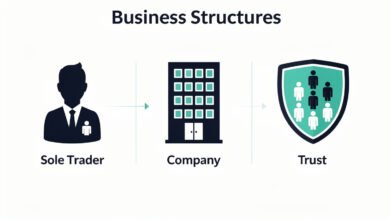
How you handle the dispute legally depends heavily on whether the business is a general partnership, a limited liability company (LLC), or a closely held corporation, since Oregon law treats each differently.
General Partnerships
Governed primarily by ORS Chapter 67. Partners generally have equal management rights by default unless the agreement says otherwise, and partners can generally bind the business to obligations even without the other partner’s direct approval, which makes trust and communication especially important.
LLCs (Member Disputes)
Governed by ORS Chapter 63. Disputes here often center on the operating agreement, which functions similarly to a partnership agreement but with LLC-specific terms around membership interests, voting rights, and management structure (member-managed vs manager-managed). If there’s no operating agreement, Oregon’s default LLC statute controls, and the outcomes can be just as surprising as the general partnership default rules.
Closely Held Corporations (Shareholder Disputes)
Governed by ORS Chapter 60. Disputes between shareholders in a small, closely held Oregon corporation function differently from partnership disputes, often involving shareholder oppression claims, voting agreements, and buy-sell agreements tied to stock ownership rather than partnership interests.
Knowing exactly which category your business falls into matters because the legal remedies, required processes, and even the terminology used in a potential lawsuit differ significantly between these three structures.
Step 3: Try Direct Negotiation Before Anything Formal
It sounds obvious, but a surprising number of Oregon partnership disputes skip straight to lawyers and litigation without a genuine, structured attempt at direct negotiation first.
How to Approach It Productively
- Separate the business problem from the personal frustration. Partnership disputes often carry years of built-up resentment, but the conversation goes better when it stays focused on specific, resolvable issues.
- Put your position in writing before the conversation. This forces clarity on what you actually want and gives both sides something concrete to respond to.
- Propose specific solutions, not just complaints. Instead of “you’re not pulling your weight,” bring a specific proposal, like adjusted profit splits, revised role definitions, or a change in decision-making process.
- Set a deadline for resolution. Open-ended disputes tend to fester. Agreeing to revisit the issue with a decision by a specific date keeps momentum.
- Document what’s agreed. Even an informal resolution should be put in writing and signed by both partners to avoid the same dispute resurfacing later.
Direct negotiation is almost always the cheapest and fastest path, and it preserves the working relationship far better than escalating immediately to a formal process.
Step 4: Consider Mediation Before Litigation
If direct negotiation doesn’t resolve things, mediation is usually the next logical step, and in many cases, it’s required before litigation if the partnership agreement includes a dispute resolution clause requiring it.
Why Mediation Works Well for Oregon Partnership Disputes
- A neutral, trained mediator helps both sides communicate productively, which is often the actual missing ingredient in disputes that have gone on for a while
- It’s significantly cheaper than litigation, typically costing a fraction of what a contested lawsuit would run
- It’s private, unlike a court case which becomes part of the public record
- It preserves more flexibility for creative solutions, like phased buyouts or restructured roles, that a court generally wouldn’t order on its own
- Oregon has an active mediation and alternative dispute resolution community, including services connected to the Oregon Mediation Association, that specialize specifically in business and partnership disputes
When Mediation Tends to Work Best
Mediation is most effective when both partners still want the business to succeed and are disagreeing over how to get there, rather than situations involving serious breach of fiduciary duty, fraud, or a partner who has already effectively checked out of the relationship. If trust has broken down completely, mediation can still be worth attempting, but expectations should be realistic about what it can achieve.
Step 5: Understand Fiduciary Duties Between Partners
Oregon law imposes fiduciary duties on partners toward each other and the partnership itself, and understanding these duties matters both for resolving a dispute and for recognizing when a partner has genuinely crossed a legal line rather than just been difficult to work with.
The Core Duties Under Oregon Partnership Law
- Duty of loyalty. Partners generally can’t compete directly with the partnership, can’t take business opportunities that belong to the partnership for themselves, and can’t use partnership property or information for personal gain without consent.
- Duty of care. Partners are expected to act with reasonable care in managing partnership business, though this generally doesn’t mean every business mistake amounts to a legal breach.
- Duty of good faith and fair dealing. Partners are expected to deal with each other honestly in matters connected to the partnership.
When a Dispute Becomes a Legal Breach
A disagreement over strategy or work ethic generally isn’t a fiduciary duty breach. But specific conduct can cross that line, including:
- Diverting business, clients, or opportunities to a separate entity the partner controls
- Using partnership funds for undisclosed personal expenses
- Withholding financial information from other partners
- Making major decisions or entering major contracts without required authorization, particularly if done secretly
If you suspect this level of conduct is happening, that’s generally the point where the dispute shifts from “let’s work this out” to “this needs a lawyer involved early,” since these issues can carry real financial and legal consequences beyond just the partnership relationship itself.
Step 6: Explore a Buyout Before Considering Dissolution
If the working relationship genuinely can’t be repaired, a buyout, where one partner purchases the other’s interest and the business continues under the remaining partner(s), is often a far better outcome than shutting the business down entirely.
How Buyouts Typically Work
- Valuation. The business needs a fair valuation, either based on a formula in the existing agreement or through an independent business valuation professional if the agreement doesn’t specify one.
- Structure. Buyouts can be paid as a lump sum, in installments over time, or through a combination of cash and other consideration, depending on what the business can actually afford.
- Terms of departure. This should address non-compete or non-solicitation obligations going forward, handling of any shared debts or guarantees, and transition of client relationships or operational knowledge.
- Legal documentation. A formal buyout agreement should be drafted and signed, ideally reviewed by separate attorneys for each partner to avoid conflicts of interest.
A well-structured buyout lets the business continue operating, protects jobs and client relationships, and gives the exiting partner fair value for what they built, all without the cost and disruption of a formal dissolution.
Step 7: Understand Dissolution Under Oregon Law
When a partnership dispute can’t be resolved through negotiation, mediation, or a buyout, dissolution becomes the remaining option, either voluntarily agreed upon or ordered by a court.
Voluntary Dissolution
If partners agree the business should end, Oregon law under ORS Chapter 67 (for general partnerships) or the relevant LLC and corporate statutes outlines the process for winding up business affairs, paying outstanding debts, and distributing remaining assets according to ownership interests or the partnership agreement’s terms.
Judicial Dissolution
If partners can’t agree, any partner can generally petition an Oregon court for judicial dissolution. Courts typically consider factors like:
- Whether the partnership can only continue operating at a loss
- Whether it’s no longer reasonably practicable to carry on the business in conformity with the partnership agreement
- Deadlock between partners that prevents the business from being managed effectively
- Misconduct by a partner that makes continuing the business impracticable
Judicial dissolution is generally viewed as a last resort, since it’s the most expensive, slowest, and most disruptive path, and it removes control over the outcome from the partners themselves and places it in the hands of the court. Oregon courts, like most states, tend to encourage settlement even after a dissolution case has been filed, since a negotiated resolution is almost always preferable to a fully litigated wind-down.
Step 8: Know When to Bring in an Oregon Business Attorney
Not every partnership disagreement needs a lawyer immediately, but certain situations call for legal involvement early rather than after things have escalated further.
Get an Attorney Involved If:
- You suspect a partner has breached their fiduciary duty, misused funds, or diverted business opportunities
- The dispute involves significant money, meaningful business assets, or personal guarantees on business debts
- You’re heading toward a buyout or dissolution and need proper documentation to protect yourself
- The partnership agreement is unclear, outdated, or silent on the exact issue in dispute
- The other partner has already brought in legal counsel
- You’re being asked to sign anything, including a settlement, buyout agreement, or dissolution document
An Oregon business attorney familiar with partnership and LLC disputes can help you understand your actual legal position, not just what feels fair, which are sometimes different things depending on how your agreement is written and what Oregon’s default statutes say.
Practical Checklist for Handling a Partnership Dispute in Oregon
- [ ] Review the partnership agreement (or operating agreement, or shareholder agreement) in full before taking any action
- [ ] Identify whether the business is a general partnership, LLC, or corporation, since the applicable law differs
- [ ] Attempt direct, structured negotiation with specific proposals, not just grievances
- [ ] Consider mediation if direct negotiation stalls, especially if the agreement requires it
- [ ] Document all communications and financial matters related to the dispute
- [ ] Watch for signs the dispute involves a fiduciary duty breach rather than just a disagreement
- [ ] Explore a buyout structure before assuming dissolution is the only path forward
- [ ] Bring in an Oregon business attorney before signing any settlement, buyout, or dissolution paperwork
How to Prevent the Next Partnership Dispute
Once a current dispute is resolved, whether through negotiation, buyout, or otherwise, it’s worth using the experience to prevent the next one.
- Get a proper written partnership or operating agreement, drafted or reviewed by an attorney, if you don’t already have one
- Include a clear dispute resolution clause requiring mediation before litigation
- Define decision-making authority explicitly, including what requires unanimous consent versus majority vote
- Set a buy-sell agreement in advance, so a future exit or dispute has a predefined valuation and process rather than being negotiated from scratch during a conflict
- Hold regular structured check-ins between partners on finances, roles, and direction, rather than letting issues build silently
For general information on Oregon business entity requirements and where to find current statutory language, the Oregon Secretary of State’s business registry is a useful starting point for confirming your business’s registered structure and status. For the full text of Oregon’s partnership statutes referenced throughout this article, the Oregon State Legislature’s ORS Chapter 67 on partnerships is the primary legal source these disputes are actually decided against.
Frequently Asked Questions
Can one partner force the sale of a business in Oregon?
Generally not unilaterally, unless the partnership agreement specifically grants that right or a court orders dissolution and sale as part of resolving a dispute. Most of the time, a forced sale requires either mutual agreement or a judicial dissolution process.
What happens if we never signed a formal partnership agreement?
Oregon’s default partnership rules under ORS Chapter 67 apply, which generally means equal profit and loss sharing and shared management rights regardless of actual contribution, unless partners can otherwise document a different informal understanding was in place.
How long does a partnership dispute typically take to resolve in Oregon?
It varies enormously. Direct negotiation can resolve things in days or weeks. Mediation often takes a few sessions over several weeks to a couple of months. Litigation and judicial dissolution can take many months to well over a year, depending on court schedules and how contested the case is.
Is mediation legally required before filing a lawsuit in Oregon?
Not automatically under state law generally, but many partnership agreements include a contractual requirement to attempt mediation or arbitration before litigation. Even without that clause, courts often encourage or expect a good-faith attempt at resolution before a full trial.
Can a partnership dispute affect my personal assets?
In a general partnership, partners can generally be personally liable for partnership debts and obligations, which is different from LLCs and corporations, where personal liability is typically more limited. This is one more reason it matters which entity type your business actually is when a dispute arises.
Conclusion
Handling a business partnership dispute in Oregon well comes down to working through it methodically rather than reacting emotionally or jumping straight to litigation. Start by reviewing what your partnership or operating agreement actually says, understand which entity type governs your situation, and attempt direct negotiation before escalating. Mediation offers a faster, cheaper, and more flexible path than court for most disputes that haven’t crossed into fiduciary duty violations or serious misconduct, and a buyout is often a far better outcome than full dissolution when the relationship can’t be repaired but the business itself is still viable. Judicial dissolution and litigation remain available when nothing else works, but they should generally be treated as a last resort given the cost, time, and loss of control involved. Whatever stage your dispute is at, getting a qualified Oregon business attorney involved before signing any settlement, buyout, or dissolution paperwork is one of the most important steps you can take to protect both the business and your own financial interest.